
Handmade lanterns, a captivating blend of artistry and functionality, have graced cultures across the globe for centuries. From intricate paper creations to meticulously crafted glass vessels, these luminous objects have transitioned from practical tools to exquisite decorative pieces. This exploration delves into the rich history of lantern making, examining traditional techniques, modern interpretations, and the evolving market demand for these beautiful, handcrafted works of art.
This comprehensive guide explores the historical significance of lanterns, highlighting their symbolic meaning across diverse cultures. It also details various crafting techniques, encompassing material selection, design principles, and the nuances of creating unique and personalized lanterns.
Historical Context of Handmade Lanterns
Handmade lanterns, far from being a modern craft, boast a rich history intertwined with human civilization. Their evolution reflects cultural adaptations, technological advancements, and the profound symbolic weight placed on light in various societies. From ancient fire signals to intricate decorative pieces, lanterns have transitioned from utilitarian tools to cherished artistic expressions.The earliest lanterns were likely simple, improvised devices, perhaps hollowed-out gourds or clay vessels, used to contain flames for practical purposes.
These rudimentary forms evolved alongside societal needs and aesthetic sensibilities, shaping the aesthetic and functional characteristics of lanterns.
Evolution of Lantern Designs Across Cultures
Lantern designs, deeply rooted in cultural heritage, demonstrate a striking diversity. Ancient Egyptian lanterns, often adorned with intricate hieroglyphs and sculpted figures, highlight the integration of artistry and functionality. In contrast, the Chinese tradition embraced elaborate paper lanterns, frequently used in festivals and celebrations, showcasing their artistry and rich symbolism. Meanwhile, Japanese lanterns, crafted from various materials like paper, wood, and metal, often incorporated delicate patterns and elegant designs reflecting the aesthetic sensitivity of their culture.
Materials and Techniques in Past Lantern Making
The selection of materials and techniques employed in lantern construction varied significantly across cultures and eras. Ancient civilizations utilized readily available resources such as clay, wood, and animal skins. The development of metalworking skills led to the creation of more durable and aesthetically refined lanterns. Later, the use of glass and translucent materials allowed for the creation of more intricate designs, enhancing the visual appeal and functionality of lanterns.
Papermaking techniques also enabled the production of lightweight, decorative lanterns, particularly prominent in East Asian cultures.
Traditional vs. Modern Approaches
Traditional lantern-making methods often involved meticulous hand-craftsmanship, requiring considerable skill and patience. Modern approaches, while incorporating new technologies, sometimes retain elements of traditional techniques. For example, the use of laser-cut patterns on metal or precise molding of plastic frames can still evoke the aesthetic spirit of traditional lanterns. The difference lies in the scale and speed of production, as well as the utilization of machinery in contemporary approaches.
However, the emphasis on hand-crafted elements continues to be valued by many modern artisans.
Cultural Significance of Lanterns
Lanterns have held profound cultural significance in various societies. In many Asian cultures, lanterns represent the celebration of festivals, symbolizing good fortune, prosperity, and the triumph of light over darkness. In other cultures, lanterns serve as a means of illumination and also play a crucial role in religious ceremonies and rituals.
Symbolic Meanings Associated with Lanterns
Throughout history, lanterns have carried various symbolic meanings. In some cultures, lanterns represent hope, guidance, and protection, often carried during processions or festivals. In others, lanterns symbolize the spirit of unity and community. The act of lighting a lantern can signify the transition from darkness to light, or from ignorance to enlightenment. These diverse interpretations reflect the multifaceted cultural roles of lanterns in human societies.
Crafting Techniques
Handmade lanterns, a testament to human ingenuity, rely on a diverse range of crafting techniques. From intricate paper folding to the meticulous shaping of glass, the artistry of lantern making reveals a fascinating interplay of tradition and innovation. These techniques vary across cultures and eras, reflecting the unique materials and skills available in different societies.
Crafting Techniques for Lantern Construction
Traditional lantern making often involves a combination of techniques, carefully selected to suit the desired aesthetic and functionality. These techniques span the spectrum of materials, from the delicate paper of Japanese lanterns to the sturdy metal of colonial-era lanterns. The chosen method dictates the lantern’s final form, durability, and aesthetic appeal.
Shaping and Decorating Lanterns
Numerous methods are employed to shape and decorate handmade lanterns. Paper lanterns often benefit from intricate paper-folding techniques, allowing for complex designs and structural integrity. For glass lanterns, specialized glassblowing techniques are essential to create the desired forms and embellishments. Metal lanterns may be hammered, forged, or cast, depending on the desired shape and texture. Decorative elements, like intricate carvings, painted designs, or inlaid embellishments, further enhance the visual appeal of the finished lantern.
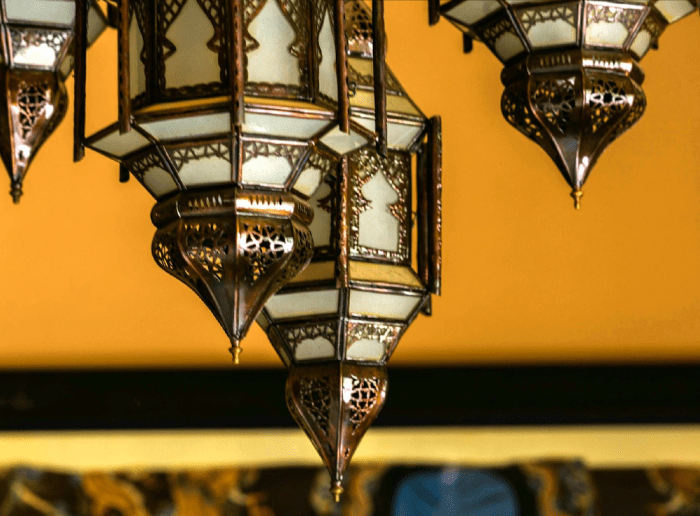
Examples include the use of stained glass in European-style lanterns, the intricate paper-cutting patterns of Asian lanterns, and the metallic filigree designs found on some historic lanterns.
Creating Paper Lanterns
Paper lanterns, ubiquitous in celebrations and festivals worldwide, are typically crafted from thin, lightweight paper. The process involves cutting, folding, and assembling the paper sheets into the desired shape. A simple paper lantern can be made using a single sheet of paper, while more complex designs might require multiple layers. The initial step involves cutting the paper into the desired shape or pattern.
This may involve precise cutting, or simpler methods. Next, the paper pieces are folded and glued together to form the lantern structure. Decorations, such as painted designs or intricate paper cuts, are added after the lantern has been assembled.
Creating Glass Lanterns
Glass lanterns, prized for their translucence and durability, often utilize glassblowing techniques. A skilled glassblower heats molten glass, shaping it into the desired form and adding decorative elements. The process requires specialized equipment, including a furnace and tools for manipulating the glass. This process often includes the addition of intricate details, such as intricate patterns or coloured glass accents.
After the glass is cooled and shaped, the glass lantern may be further embellished, possibly with hand-painted designs or applied embellishments.
Materials, Tools, and Steps for Different Lantern Types
| Lantern Type | Materials | Tools | Steps |
|---|---|---|---|
| Paper Lanterns | Paper (various types), glue, scissors, string, decorations (optional) | Scissors, glue, ruler (optional), stencils (optional) | Cut paper, fold, assemble, decorate, attach string |
| Glass Lanterns | Glass (various colours and types), glassblowing tools, furnace | Glassblowing torch, glass shaping tools, furnace | Heat glass, shape, add details, cool, decorate (optional) |
| Metal Lanterns | Metal (various types), hammers, anvils, molds (optional) | Hammers, anvils, metal-working tools, molds | Shape metal, decorate, assemble, attach hardware (optional) |
Challenges and Solutions in Handmade Lantern Construction
Crafting handmade lanterns can present several challenges. Maintaining consistent shapes and sizes, particularly in larger or complex designs, can be difficult. Ensuring the structural integrity of the lantern, especially for paper or fragile materials, is critical. Issues with material quality, such as uneven paper thickness or brittle glass, can also affect the final product. Solutions include using quality materials, practicing precise cutting and folding techniques, and utilizing appropriate tools and techniques for the chosen material.
Employing templates or molds can help ensure consistent sizing and shape, while reinforcing techniques like layering or using stronger materials can improve structural integrity. Thorough testing and quality control procedures can mitigate material-related issues.
Materials & Design
Handmade lanterns, a testament to artistry and craftsmanship, often reflect the cultural values and artistic sensibilities of their creators. The materials selected significantly influence both the aesthetic appeal and functional qualities of the lantern. Careful consideration of material properties is crucial to ensuring durability and longevity.The choice of materials for handmade lanterns is a delicate balance between artistic expression and practical considerations.
The interplay between the material’s inherent properties—from texture and weight to color and transparency—directly impacts the final design and visual appeal. Furthermore, durability and longevity are paramount, requiring a thoughtful selection process that anticipates the lantern’s intended use and environment.
Material Selection
The selection of materials for handmade lanterns is driven by a variety of factors. Craftspeople must weigh aesthetic preferences, cost-effectiveness, and the desired functional characteristics. Factors like durability, light transmission, and ease of crafting play crucial roles.
- Paper: A common material, paper lanterns are frequently used for their lightweight nature and relatively low cost. They offer a wide range of aesthetic possibilities, from simple, single-color designs to intricate, multi-layered patterns. However, their durability can be limited, especially in harsh weather conditions or prolonged exposure to moisture.
- Glass: Glass lanterns often exhibit a clear, transparent aesthetic, allowing light to shine through. Their strength and durability make them suitable for various designs and applications, although the cost and potential breakage during handling must be considered.
- Metal: Metal lanterns, particularly those crafted from brass, copper, or iron, are known for their resilience and longevity. Their ability to hold intricate designs and withstand weathering makes them a popular choice for outdoor use. The cost and weight of metal lanterns, however, may be a factor in design choices.
- Wood: Wood lanterns offer a warm, natural aesthetic, particularly when stained or painted. Their inherent durability, coupled with the ability to create complex shapes and designs, makes them suitable for a variety of styles. However, the weight of wooden lanterns can make them less portable than alternatives.
- Fabric: Fabric, such as silk or cotton, can be used for decorative elements within a lantern. Its softness and drape can complement other materials, like metal or wood, adding an element of texture. The durability of fabric lanterns, however, may be less than that of metal or glass.
Impact on Design and Appearance
The choice of material significantly impacts the overall design and appearance of the lantern. The texture, transparency, and color of the material influence the visual aesthetic.
- Paper lanterns, with their lightweight nature, lend themselves well to intricate designs and vibrant colors. The thin material allows for elaborate folding techniques, adding depth and visual interest.
- Glass lanterns, often clear, create a sense of openness and allow light to pass through freely, emphasizing the light’s brilliance and showcasing the surrounding environment. Glass’s inherent reflective qualities can be used to create a focal point.
- Metal lanterns, with their varied finishes, can convey a sense of strength and permanence. The ability to form intricate details and the material’s durability are often key design elements.
Durability and Longevity
The longevity of a handmade lantern is directly correlated to the chosen material. Durability is paramount for lanterns used in outdoor settings or for prolonged periods.
- Paper lanterns, while aesthetically pleasing, often have a shorter lifespan due to their susceptibility to moisture and damage. Their fragility limits their use in outdoor settings.
- Glass lanterns, resistant to most environmental factors, offer a high degree of longevity and durability, making them suitable for various applications. However, their fragility during handling must be considered.
- Metal lanterns are typically known for their exceptional durability and longevity. Their resistance to weathering and the ability to withstand repeated use contribute to their prolonged lifespan. The weight, however, may be a factor.
- Wooden lanterns, depending on the wood type and finish, exhibit excellent durability and longevity, especially when protected from elements. The wood’s natural beauty and ability to withstand weather conditions make them an attractive choice.
- Fabric lanterns are often less durable than other materials. Their lifespan depends on the quality of the fabric and the protective measures taken.
Material Suitability Table
This table provides a concise overview of various materials and their suitability for different lantern styles.
| Material | Suitable Lantern Style | Strengths | Weaknesses |
|---|---|---|---|
| Paper | Decorative, Festive, Indoor | Lightweight, Affordable, Colorful | Fragile, Short Lifespan |
| Glass | Contemporary, Decorative, Outdoor (with caution) | Transparent, Durable, Elegant | Breakable, Heavy |
| Metal | Traditional, Outdoor, Decorative | Durable, Long-lasting, Strong | Heavy, Can be Expensive |
| Wood | Traditional, Outdoor, Decorative | Durable, Natural, Warm Aesthetics | Heavy, Prone to Damage if Not Treated |
| Fabric | Decorative, Indoor, Accent | Soft, Textured, Decorative | Less Durable, Prone to Damage |
Types of Handmade Lanterns
Handmade lanterns, a testament to human ingenuity and artistry, come in an astonishing array of forms. From humble, functional designs to elaborate, decorative masterpieces, the diversity of lantern types reflects the cultural richness and practical needs of societies throughout history. Their versatility extends far beyond mere illumination, often serving as decorative elements, expressions of personal style, and even powerful symbols.Beyond their aesthetic appeal, understanding the specific characteristics of various lantern types provides insight into the intended use and the crafting techniques employed.
The size, shape, and materials dictate not only the lantern’s visual identity but also its functionality, from creating a warm ambiance in a home to guiding a traveler through a dark night. This section explores the diverse world of handmade lanterns, emphasizing the unique features and practical applications of each type.
Indoor Handmade Lanterns
Indoor lanterns, designed primarily for ambiance and decoration, often feature intricate designs and delicate craftsmanship. Their size and shape are frequently tailored to the specific space they inhabit, from small, table-top lanterns to larger, statement pieces that dominate a room. The materials used, including glass, metal, or even paper, contribute to the lantern’s aesthetic appeal and overall atmosphere.
- Tabletop Lanterns: These typically small, decorative lanterns are frequently crafted from glass, ceramic, or metal. Their delicate designs often incorporate intricate patterns, etched details, or painted imagery. They are ideal for illuminating small areas like dining tables, side tables, or bedside stands, and their soft light creates a warm and inviting atmosphere. Examples include the delicate, glass-blown lanterns from Europe or the intricately carved wooden lanterns of East Asia.
- Wall Lanterns: Designed for mounting on walls, these lanterns come in a range of sizes and styles, from simple, functional sconces to elaborate, decorative pieces. Their placement and design often enhance the architectural features of a room or add visual interest to a wall. The design might feature ornate carvings, painted details, or simply use the light source to highlight the wall’s texture.
- Chandelier Lanterns: Combining decorative artistry with illumination, chandelier lanterns often feature multiple light sources suspended from a central framework. Their design complexity and scale can range from simple, elegant structures to large, elaborate works of art, enhancing the grandeur of a room and setting a celebratory tone. They are usually found in larger spaces like dining halls, lobbies, or living rooms.
Outdoor Handmade Lanterns
Outdoor lanterns are designed for resilience and practicality, often requiring stronger materials and more robust construction to withstand the elements. These lanterns are typically larger and more substantial than their indoor counterparts. Their designs must accommodate the potential for rain, wind, and varying weather conditions.
- Garden Lanterns: These lanterns, placed in gardens or patios, provide both illumination and a decorative touch. They frequently employ materials like metal, glass, or ceramic, carefully selected for durability and weather resistance. Their size, shape, and design can range from simple, functional models to elaborate, ornamental pieces. Many are designed with intricate details, using techniques like forging or glass blowing.
- Pathway Lanterns: Used to illuminate walkways, pathways, and driveways, these lanterns often feature a sturdy base and a clear, unobstructed light source. The design frequently emphasizes practicality, using durable materials such as metal or resin. Their placement and height are often carefully considered for optimal visibility and safety. Examples include the classic, tall metal lanterns found in many historical parks or the sleek, modern resin lanterns used for contemporary walkways.
- Porch Lanterns: Placed on porches, balconies, or entryways, these lanterns serve as both functional lighting and architectural accents. Their design must balance aesthetic appeal with practicality, resisting elements such as rain and wind while providing a warm welcome to guests or occupants. They often feature a mix of traditional and contemporary styles, reflecting the specific architectural design of the building.
Unique and Personalized Lantern Designs
The process of crafting unique and personalized lantern designs often involves blending traditional techniques with modern creativity. It’s a process that emphasizes the individuality of the artisan.
- Customizable Components: Artisans often incorporate personalized elements such as hand-painted details, etched designs, or custom-made hardware. These additions add a unique touch to the lantern’s aesthetic, allowing customers to reflect their personality or preferences.
- Combination of Styles: The integration of different design styles, such as incorporating Asian motifs into a European-style lantern, results in distinctive and captivating creations. These hybrids showcase the versatility of handmade lanterns and the artisan’s ability to merge disparate influences.
- Personalized Motifs: Integrating personal symbols, family crests, or meaningful imagery into the design adds a significant layer of personalization and sentimental value to the lantern. These elements create a piece that is not only aesthetically pleasing but also holds personal significance.
Decorative Elements & Patterns
Handmade lanterns, beyond their practical function, often serve as captivating pieces of art. Their decorative elements are crucial in shaping their aesthetic appeal, transforming simple forms into unique and captivating expressions. The interplay of patterns, colors, and embellishments elevates the lantern from a functional object to a visually stunning statement.Decorative techniques employed on handmade lanterns are as diverse as the lanterns themselves.
From intricate carvings to vibrant painted designs, artisans utilize a wide array of methods to create captivating visual narratives on their creations. The chosen decorative elements and patterns reflect not only the craftsman’s skill but also the cultural heritage and personal style of the maker.
Techniques for Decorating Handmade Lanterns
Decorative techniques for handmade lanterns often involve a combination of methods. Intricate carvings, achieved through meticulous hand-tooling or laser cutting, can create detailed patterns that add depth and texture. Hand-painting, with its flexibility and ability to render vibrant colors, is another popular choice. This technique allows for a wide array of patterns, from simple geometric designs to elaborate floral motifs.
Applying decoupage techniques, using pre-cut paper or fabric elements, can produce unique and personalized designs.
The Role of Patterns, Colors, and Embellishments
Patterns, colors, and embellishments play a significant role in shaping the overall aesthetic of a lantern. Geometric patterns, inspired by traditional or contemporary designs, can create a sense of order and symmetry. Floral or abstract patterns, often chosen for their beauty and symbolic meaning, can convey a sense of artistry and elegance. Colors are instrumental in evoking specific moods and emotions.
Warm colors, like reds and oranges, can create a sense of coziness and festivity, while cooler tones, such as blues and greens, can evoke a sense of tranquility and serenity. Embellishments, including beads, sequins, and metal accents, add visual interest and sophistication, elevating the lantern’s overall appeal.
Inspiration for Unique Lantern Designs
A multitude of inspirations can fuel creative lantern designs. Traditional motifs, such as those found in Asian, European, or African art, can be adapted to modern aesthetics. Nature-inspired designs, featuring floral patterns, leaves, or intricate vinework, can evoke a sense of harmony and connection to the natural world. Geometric patterns, often seen in Islamic or indigenous art, can create a sense of visual balance and sophistication.
Modern designs, incorporating abstract shapes and bold colors, can add a contemporary touch.
Examples of Decorative Techniques
| Technique | Medium | Example |
|---|---|---|
| Carving | Wood, bamboo, or metal | Intricate floral designs carved into a wooden lantern frame. |
| Painting | Acrylics, watercolors, or oils | Geometric patterns painted on a ceramic lantern, using a combination of bright colors. |
| Decoupage | Paper or fabric | Using pre-cut paper or fabric to create a personalized scene on a glass lantern. |
| Beading | Glass or ceramic beads | Decorating a wire-framed lantern with a pattern of colorful beads. |
These examples highlight the versatility of decorative techniques, illustrating how diverse mediums can be employed to create captivating designs.
Modern Interpretations
Handmade lanterns, deeply rooted in history, are experiencing a resurgence in modern design. This evolution embraces traditional forms while incorporating contemporary aesthetics and innovative materials, creating unique and visually compelling pieces. The adaptation of these time-honored designs reflects a broader trend of reimagining heritage crafts for a contemporary audience.Modern interpretations of handmade lanterns showcase a fusion of old and new.
Traditional silhouettes, often inspired by nature or cultural motifs, are reinterpreted with a fresh perspective. This blending of tradition and modernity results in lanterns that are both evocative of the past and appealing to contemporary tastes.
Adaptation of Traditional Designs
Traditional lantern shapes, from the intricate paper lanterns of Asian cultures to the classic mason jar designs, have been adapted for modern settings. These adaptations often involve subtle alterations in proportion, embellishments, or the addition of new decorative elements, creating a harmonious blend of old and new. For example, a traditional Japanese paper lantern might feature a modern metallic frame or a unique, hand-painted design incorporating contemporary color palettes.
These alterations maintain the essence of the original design while offering a contemporary twist.
Influence of Contemporary Design Trends
Contemporary design trends significantly influence the creation of handmade lanterns. Minimalist aesthetics, for instance, are reflected in clean lines and uncluttered forms, resulting in lanterns that are both elegant and functional. Conversely, maximalist designs embrace bold colors, intricate patterns, and layered textures, creating lanterns that are visually striking and dynamic.
Modern Materials and Techniques
Modern materials and techniques are employed to create innovative lantern designs. Durable and lightweight materials like aluminum or stainless steel are used to create frames that enhance structural integrity and allow for complex designs. Innovative techniques, such as laser cutting or 3D printing, enable intricate patterns and designs that were previously impossible to achieve. Moreover, the use of recycled materials, like reclaimed wood or repurposed metal, adds a sustainable and environmentally conscious dimension to modern lantern design.
Examples of Modern Handmade Lanterns
Modern handmade lanterns exhibit a wide array of unique features and styles. A notable example is a lantern crafted from repurposed metal sheets, showcasing intricate laser-cut patterns. Another example is a minimalist lantern, designed with a translucent polycarbonate shell, that subtly diffuses light. These examples highlight the creative potential of blending traditional forms with modern materials and techniques.
Comparative Analysis of Modern and Traditional Designs
Modern interpretations of handmade lanterns often prioritize functionality and aesthetic appeal, often utilizing contemporary materials and manufacturing techniques. Traditional designs, on the other hand, emphasize cultural significance, artistic expression, and often a connection to specific historical periods. The comparison reveals a shift from primarily functional to a balance of function and aesthetics in modern designs, reflecting the changing values and priorities of today’s society.
For instance, a modern lantern may incorporate LED lighting, optimizing energy efficiency, while a traditional lantern might use a hand-crafted candle, enhancing ambiance.
Market Trends & Demand

Handmade lanterns, once a niche craft, are experiencing a resurgence in popularity. This resurgence is driven by a confluence of factors, including a growing appreciation for handcrafted goods, a desire for unique and personalized items, and a shift towards sustainable and eco-friendly alternatives. This renewed interest presents significant opportunities for entrepreneurs seeking to tap into the market.
Current Market Trends
The market for handmade lanterns is experiencing a shift away from mass-produced options towards unique, personalized, and often eco-conscious designs. Consumers are increasingly seeking handcrafted items that reflect their personal style and values. This preference for artisanal goods is a broader trend impacting various sectors beyond lighting. Additionally, the demand for sustainable materials is growing, pushing lantern makers to utilize reclaimed wood, recycled glass, or natural fibers.
Factors Influencing Popularity
Several factors contribute to the growing popularity of handmade lanterns. The unique designs, often incorporating intricate patterns and artistic embellishments, appeal to a broad customer base. Furthermore, the personal touch of handmade items is highly valued, with consumers seeking products that tell a story and possess a sense of history. The increasing emphasis on sustainability and eco-friendly practices is another influential factor, with many consumers opting for handmade lanterns crafted from recycled or natural materials.
Staying Updated with Trends
Staying current with the latest trends in the handmade lantern market requires vigilance and a willingness to adapt. Regularly monitoring design trends in related craft sectors, such as home décor and interior design, can offer valuable insights. Social media platforms and craft communities provide a wealth of information on emerging trends and consumer preferences. Attending craft fairs, workshops, and online markets allows direct interaction with potential customers and a deeper understanding of market demands.
Successful Businesses and Their Strategies
Several successful handmade lantern businesses have leveraged innovative strategies to thrive in this market. For example, “Lanterns of the Valley” has successfully cultivated a strong online presence through engaging social media content, showcasing their intricate designs and craftsmanship. They have also collaborated with local artisans and retailers, expanding their reach and creating a strong community around their brand.
Similarly, “Eco-Lanterns” has capitalized on the growing demand for sustainable products by utilizing recycled materials and promoting environmentally conscious practices. This focus on sustainability has resonated with environmentally conscious consumers, leading to increased sales and brand loyalty.
Potential for Entrepreneurs
The handmade lantern market presents significant potential for entrepreneurs. The demand for unique and personalized lighting solutions creates a robust market niche. Entrepreneurs can leverage online platforms to showcase their work and connect with a wider audience. Collaborations with interior designers, event planners, and retailers can expand market reach and provide access to high-value clients. Moreover, focusing on sustainable materials and ethical production practices can further enhance brand appeal and attract environmentally conscious consumers.
Sustainability & Eco-Friendliness
Handmade lanterns, once a cherished symbol of tradition and artistry, are increasingly being scrutinized through an environmental lens. Consumers are demanding greater transparency and accountability regarding the materials and practices used in their creation. This shift necessitates a reassessment of traditional methods and a proactive approach to eco-friendliness, shaping the future of this craft.The environmental footprint of lantern materials varies significantly.
Some materials, like sustainably harvested bamboo, have a considerably lower impact than others, like chemically treated hardwoods or plastics. Choosing responsible materials and production methods is critical to maintaining the appeal and longevity of the craft.
Environmental Impact of Materials
The choice of materials directly impacts the environmental footprint of a handmade lantern. Using responsibly sourced wood, such as reclaimed wood or sustainably harvested timber, significantly reduces the carbon footprint compared to using non-renewable resources. Recycled or repurposed materials further minimize environmental impact. Plastics, on the other hand, often involve significant energy consumption during production and pose long-term waste management challenges.
Similarly, the sourcing and processing of certain metals can have considerable environmental consequences.
Sustainable Practices in Lantern Production
Sustainable practices are paramount to reducing the environmental impact of handmade lantern production. Employing water-based finishes and paints instead of solvent-based options significantly minimizes volatile organic compound (VOC) emissions. Minimizing waste through precise crafting techniques and efficient material use reduces landfill burden. Furthermore, supporting local artisans and suppliers often promotes sustainable and ethical sourcing practices.
Methods for Creating Eco-Friendly Handmade Lanterns
Several methods can be implemented to create eco-friendly handmade lanterns. Employing recycled or repurposed materials, such as reclaimed wood or discarded metal, is a fundamental step. Incorporating natural dyes and finishes, instead of synthetic ones, is another crucial step. The use of locally sourced and sustainably harvested materials significantly reduces the carbon footprint. Furthermore, minimizing waste through careful design and crafting techniques is crucial.
By implementing these methods, the craft of lantern making can embrace environmentally conscious principles.
Sustainable Materials for Lantern Creation
Sustainable materials are increasingly sought after in lantern production. Bamboo, known for its rapid growth and renewable nature, is a strong contender. Recycled or repurposed materials like reclaimed wood or metal scraps provide a unique aesthetic and reduce waste. Plant-based materials such as paper or natural fibers can offer an alternative to conventional materials. These materials, when sourced and processed sustainably, reduce the environmental impact of the entire production cycle.
Impact of Eco-Conscious Choices on the Market
Eco-conscious choices in lantern production are directly influencing market trends. Consumers are increasingly seeking out handmade lanterns crafted from sustainable materials, demonstrating a growing preference for ethically produced goods. Artisans who prioritize sustainable practices are likely to experience a surge in demand and recognition. This trend underscores a broader shift towards conscious consumerism, where environmental considerations are integral to purchasing decisions.
For example, a lantern crafted from reclaimed wood and natural dyes is more likely to attract environmentally aware consumers, compared to one using chemically treated wood and plastic components.
DIY Projects & Tutorials
Embarking on a DIY lantern project can be a rewarding experience, transforming readily available materials into unique and personalized lighting solutions. From simple paper lanterns to intricate glass designs, these projects offer a creative outlet, allowing individuals to express their artistic flair while learning valuable crafting skills. Moreover, the cost-effectiveness of DIY lanterns provides a sustainable alternative to commercially produced options, especially appealing in today’s environmentally conscious market.
Easy Beginner-Friendly Lantern Projects
A multitude of accessible DIY lantern projects cater to novice crafters. These projects often involve readily available materials and straightforward techniques, allowing for experimentation and learning without significant financial or time commitments. A strong starting point is repurposing everyday items like jars, tins, or cardboard boxes, transforming them into captivating light sources.
- Paper Lanterns: A classic and straightforward option, paper lanterns utilize easily accessible materials like colored paper, string, and glue. The variety of colors and patterns readily available in paper allows for customized designs.
- Jar Lanterns: Using glass jars as the base, these projects involve decorating the jar with paint, decoupage, or fabric to create unique and personalized designs. This is an ideal choice for those wanting a more refined and structured project.
- Tin Can Lanterns: Repurposing metal cans provides an eco-friendly approach. A simple clean-up and creative decoration with paint, stencils, or decoupage transform the tin into a distinctive lantern.
Step-by-Step Instructions for a Simple Paper Lantern
“A simple paper lantern is a perfect starting point for beginners, emphasizing basic crafting techniques and allowing for creative personalization.”
- Gather Materials: Acquire colored paper (various sizes and patterns), scissors, glue, string or twine, and a small container or bowl (for glue application). Consider using patterned or textured paper for added visual interest.
- Cut the Paper: Cut the paper into desired shapes or sizes. For a simple lantern, cut circles or squares, with varying sizes for tiered effect. Precise cutting is not crucial for this beginner project.
- Assemble the Lantern: Using glue, carefully attach the paper shapes to the container or bowl, overlapping slightly to create a cohesive structure. Ensure the paper shapes overlap adequately to create a secure lantern body.
- Add the Hanging Mechanism: Once the lantern body is formed, attach the string or twine to the top of the container for easy hanging. For extra strength, double knot the string.
- Final Touches: Add any desired decorative elements, such as glitter, stickers, or paint, to further personalize the lantern.
DIY Lantern Projects: Materials, Tools, and Steps
This table Artikels several DIY lantern projects, highlighting the materials, tools, and step-by-step instructions for each. This structured approach simplifies the selection process, enabling individuals to choose a project that aligns with their skills and available resources.
| Project | Materials | Tools | Steps |
|---|---|---|---|
| Paper Lantern | Colored paper, scissors, glue, string | Scissors, glue stick, bowl | Cut paper, assemble, add string |
| Jar Lantern | Glass jar, paint, decoupage materials, brushes | Paintbrushes, glue, scissors, paper | Clean jar, paint, decorate, add string |
| Tin Can Lantern | Metal can, paint, stencils, decoupage, sandpaper | Sandpaper, paintbrushes, stencils, glue | Clean can, prepare surface, paint, add stencils |
Tips and Tricks for Successful DIY Lantern Creation
Several factors contribute to a successful DIY lantern project. Careful planning, the right materials, and attention to detail are essential for achieving a satisfying outcome.
- Plan your Design: Sketching the design beforehand helps visualize the final product, ensuring it aligns with your vision. Consider the shape, color, and patterns that best reflect your artistic style.
- Prepare the Surface: Thoroughly clean the surface of the container before applying any decorations. This step ensures a smooth, even finish and allows for better adhesion of materials.
- Use Quality Materials: Invest in quality materials to enhance the longevity and aesthetic appeal of your lantern. High-quality paints and glues are essential for durability and a professional finish.
- Practice Patience: Allow sufficient time for each step of the process. Rushing can lead to mistakes and an unsatisfactory outcome. Take your time and enjoy the creative process.
Marketing & Selling Strategies
Handmade lanterns, with their unique aesthetic and often sustainable ethos, present compelling opportunities for entrepreneurs. Successful marketing hinges on showcasing the craftsmanship and story behind each piece, connecting with the target audience, and establishing a strong brand identity. Understanding pricing strategies and leveraging the right marketing channels are crucial for achieving profitability and market penetration.
Strategies for Marketing Handmade Lanterns
Effective marketing campaigns highlight the craftsmanship, history, and artistry inherent in handmade lanterns. Building a strong brand identity is paramount. This includes establishing a consistent visual aesthetic across all platforms, from website design to social media posts. The visual appeal of the lanterns themselves, combined with compelling narratives, fosters a deeper connection with potential customers.
Marketing Channels for Handmade Lanterns
A multi-faceted approach to marketing is essential. Social media platforms like Instagram and Pinterest, with their focus on visual content, are particularly well-suited for showcasing the intricate designs and craftsmanship of handmade lanterns. Targeted advertising campaigns on these platforms can effectively reach potential customers. Collaboration with relevant influencers and participation in craft fairs and markets can also boost visibility and generate leads.
Consider utilizing online marketplaces like Etsy or specialized craft platforms for wider reach. Furthermore, a website with high-quality product photography and detailed descriptions serves as a central hub for showcasing the collection.
Branding and Visual Appeal
A strong brand identity is essential for building recognition and trust. The brand should reflect the values of the handmade lanterns, whether it emphasizes sustainability, artistry, or a particular aesthetic. High-quality product photography, showcasing the lanterns in appealing settings, is crucial for conveying their beauty and craftsmanship. A consistent color palette, typography, and logo across all marketing materials create a cohesive and memorable brand image.
Pricing Strategies for Handmade Lanterns
Pricing should consider the cost of materials, labor, and overhead. The perceived value of the craftsmanship and unique design should also be factored into the pricing strategy. Competitive analysis can inform pricing decisions. Offering different price points, such as starter kits, standard sizes, or luxury options, allows for greater market penetration and caters to diverse customer segments.
Consider offering bundles or packages that provide greater value.
Summary of Marketing Strategies for Handmade Lanterns
| Marketing Strategy | Description | Examples |
|---|---|---|
| Social Media Marketing | Leveraging platforms like Instagram and Pinterest to showcase product imagery and craftsmanship. | High-quality photos and videos, targeted ads, influencer collaborations, engaging captions. |
| Online Marketplaces | Utilizing platforms like Etsy to reach a wider audience. | Professional listings, high-quality product descriptions, showcasing unique features. |
| Craft Fairs and Markets | Participating in physical events to showcase products and interact directly with customers. | Creating attractive displays, offering demonstrations, engaging with visitors. |
| Website Presence | Establishing a dedicated website to showcase the collection, provide information, and accept online orders. | Professional website design, high-quality product photography, detailed descriptions, online ordering system. |
| Brand Building | Developing a unique brand identity that reflects the values of the handmade lanterns. | Consistent visual aesthetic, compelling brand story, emphasis on sustainability or artistry. |
Last Word
In conclusion, handmade lanterns represent a fascinating intersection of history, artistry, and contemporary trends. From the intricate details of traditional designs to the innovative adaptations of modern aesthetics, the enduring appeal of these crafted lights shines through. The market’s response to sustainable and unique designs underscores the potential for entrepreneurs in this field. The DIY projects and market analysis further illuminate the multifaceted world of handmade lanterns, inviting enthusiasts to embark on their own creative journeys.
