
Blanket pilling, a frustrating textile issue, plagues many households. This comprehensive guide dissects the causes, from fabric composition to improper care, providing actionable steps to conquer this common problem. From manual methods to machine washing techniques, specialized tools, and even DIY solutions, we’ll explore all avenues for removing those unsightly pills.
Understanding the root causes of pilling is crucial for effective prevention. Different fabrics react differently to wear and washing, influencing their propensity for pilling. The guide delves into fabric types and their pilling resistance, offering insights into material selection and care. This knowledge empowers consumers to make informed choices, minimizing pilling in the future.
Introduction to Blanket Pilling
![How to Remove Pilling from Blankets [2 Methods] - Home Arise](https://fusiondev.web.id/wp-content/uploads/2025/07/remove-dried-latex-paint-from-concrete.jpg "How to Remove Pilling from Blankets [2 Methods] - Home Arise")
Blanket pilling, a common textile issue, presents as tiny, fuzzy balls on the surface of the fabric. These unsightly accumulations can detract from the aesthetic appeal of a blanket and, in some cases, compromise its softness and durability. Understanding the causes and characteristics of pilling is crucial for both preventative measures and effective solutions.Pilling occurs when fibers on the surface of a blanket break down, often due to friction, and the broken fibers clump together.
This process, driven by repeated rubbing and abrasion, can manifest rapidly or gradually depending on the fabric’s composition and the conditions of use. The microscopic fiber fragments, caught in the surface texture, eventually accumulate to form the familiar, noticeable pills.
Causes of Blanket Pilling
The primary culprit behind blanket pilling is friction. This friction can arise from various sources, including repeated washing, vigorous drying, or simply the movement of the blanket against other surfaces during use. The intensity and frequency of friction significantly influence the rate of pilling. Certain types of blankets, due to their inherent material properties or manufacturing processes, are more susceptible to pilling than others.
This susceptibility is tied to the cohesiveness and structure of the fibers within the fabric.
Common Blanket Types Prone to Pilling
Certain blanket types, due to their construction and materials, exhibit a higher propensity for pilling. These include blankets made from synthetic fibers, particularly those with a high proportion of polyester or acrylic. The structure of these materials can lead to a more pronounced shedding of fibers, accelerating the pilling process. Conversely, blankets made of natural fibers like wool or cotton, while not immune, often experience pilling at a slower rate due to their inherent resilience.
The weave and density of the fabric also play a role in the likelihood of pilling.
Table of Blanket Types, Causes, and Prevention Tips
| Blanket Type | Common Causes | Prevention Tips |
|---|---|---|
| Polyester/Acrylic | High friction during washing, drying, and use; inherent fiber structure | Gentle washing cycles, low-heat drying, avoiding excessive rubbing or dragging on surfaces |
| Microfiber | High friction during washing, drying, and use; fine fiber structure | Regular vacuuming, gentle handling, and avoidance of harsh chemicals in cleaning products |
| Wool/Cotton | Prolonged exposure to friction, rough handling, and inadequate storage | Gentle washing, air drying, and proper storage to minimize rubbing against other items |
Manual Removal Methods
Tackling blanket pilling manually requires a combination of patience and the right tools. While some methods are more effective than others, the key is to avoid harsh scrubbing that could damage the fabric’s integrity. Careful attention to the blanket’s material type is crucial for choosing the appropriate approach.Manual methods offer a relatively low-cost alternative to professional cleaning, but their effectiveness depends heavily on the severity of the pilling and the type of fabric.
Some methods are better suited for delicate fabrics, while others might be more suitable for thicker, more robust materials. Understanding these distinctions will help you achieve the best results with minimal damage to your treasured blankets.
Lint Roller Techniques
The lint roller, a common household item, proves surprisingly effective for removing surface pills. Its adhesive surface traps loose fibers and pills, leaving the blanket smoother.
- Positioning: Position the lint roller perpendicular to the blanket’s surface, applying gentle, even pressure. Avoid aggressive back-and-forth motions that could stretch or damage the fabric.
- Direction: Roll the roller in a consistent direction across the blanket’s surface, ensuring you cover every section with the adhesive side.
- Pressure: Apply firm, but not excessive, pressure to the roller. Too much pressure can cause damage to the blanket’s fibers.
- Removal: After completing a section, remove the roller’s sticky sheet. Dispose of the sheet properly. Repeat the process until the desired level of pilling reduction is achieved.
Fabric Shaver Procedures
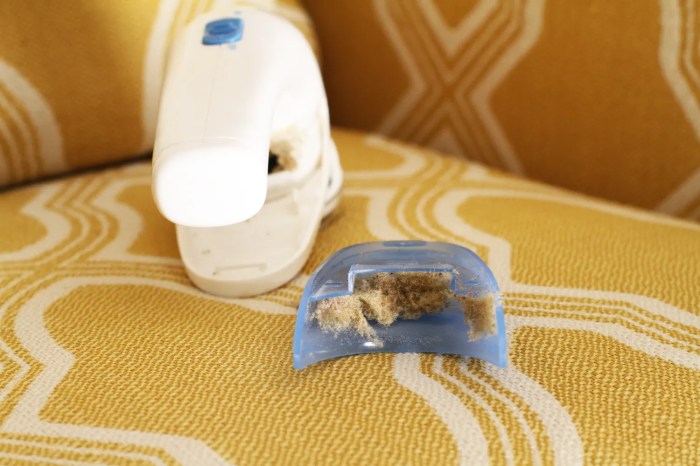
A fabric shaver, a handheld tool with tiny blades, is designed for more intensive pilling removal. It can tackle stubborn pills and offers a quicker solution compared to manual methods, but it should be used with caution on delicate fabrics.
- Preparation: Before using the shaver, lay the blanket flat on a stable surface. This ensures a secure grip and prevents the shaver from slipping.
- Positioning: Hold the fabric shaver at a 45-degree angle to the blanket’s surface. Avoid applying too much pressure. Gently glide the shaver across the fabric in short, overlapping strokes. Start with smaller areas and gradually move to larger ones.
- Direction: Maintain a consistent direction while using the shaver, avoiding excessive back-and-forth movements.
- Pressure: Use light, controlled pressure to avoid damage to the blanket’s surface. Excessive pressure may cause the blades to cut into the fabric, leading to unevenness or holes.
- Post-Shaving: After using the shaver, inspect the blanket for any remaining pills or damage. If necessary, repeat the process, but always prioritize gentleness.
Comparative Analysis of Manual Methods
| Method | Procedure | Pros | Cons |
|---|---|---|---|
| Lint Roller | Roll over the blanket using the adhesive side | Easy to use, inexpensive, good for surface pills, gentle on delicate fabrics. | Less effective for deep-seated pills, time-consuming for large blankets. |
| Fabric Shaver | Glide the shaver over the blanket in short, overlapping strokes. | Effective for removing deep-seated pills, relatively quick for larger areas. | Potentially damaging to delicate fabrics, requires more care, can create unevenness if not used properly. |
Machine Washing and Drying
Machine washing offers a potential solution for removing pilling, but its effectiveness depends heavily on the type of blanket and the washing machine’s settings. Careless washing can, however, damage the fabric, leading to further deterioration. Blanket manufacturers often provide specific care instructions, which should always be followed.Washing and drying methods significantly impact the longevity and appearance of blankets.
Choosing the right approach can minimize pilling and extend the life of the textile. Blanket materials vary considerably, with some more susceptible to damage from harsh treatments than others.
Potential for Machine Washing to Remove Pills
Machine washing can sometimes remove loose pills, but the outcome is not guaranteed. The effectiveness hinges on the blanket’s material, the washing cycle chosen, and the use of appropriate detergents. High-quality, tightly woven blankets might not yield significant results, while less densely woven or fleece blankets might experience some pilling reduction.
Comparison of Machine Washing Methods for Different Blanket Types
The best washing method varies significantly based on the blanket material. Wool blankets, for example, require delicate treatment. A gentle cycle with cold water and a mild detergent is crucial to prevent shrinking and damage. Microfiber blankets, on the other hand, can often tolerate a slightly more aggressive cycle, but should still avoid high heat. Synthetic blankets may also tolerate a standard cycle, but checking the manufacturer’s label is always advised.
Impact of Drying Methods on Pilling
Drying methods are equally critical. Excessive heat can shrink or damage the fibers, leading to further pilling. Air drying is often the most gentle option, minimizing the risk of shrinkage and damage. Tumble drying on a low setting can be considered for some types of blankets, but it’s vital to monitor the process closely. The type of blanket material dictates the best drying method.
Overheating is a common culprit in damaging blankets and causing further pilling.
Washing and Drying Recommendations
| Washing | Drying |
|---|---|
| Wool Blankets: Cold water, gentle cycle, mild detergent. | Wool Blankets: Air dry, or low heat tumble dry. |
| Microfiber Blankets: Gentle cycle, cold water, mild detergent. | Microfiber Blankets: Tumble dry on low heat, or air dry. |
| Synthetic Blankets: Standard cycle, cold water, mild detergent. | Synthetic Blankets: Tumble dry on low heat, or air dry. |
Potential Damage from Aggressive Washing Cycles
Aggressive washing cycles, including high heat and strong agitation, can damage delicate fabrics. This damage often leads to further pilling and fraying. For instance, a wool blanket subjected to a hot water wash and a high-speed spin cycle might shrink or lose its shape, exacerbating the pilling problem. Careless treatment of delicate materials can significantly shorten their lifespan.
Specialized Tools and Techniques
Beyond basic manual removal and washing, specialized tools offer targeted solutions for tackling stubborn pilling and preserving the aesthetic appeal of blankets. These tools, often tailored to different blanket materials, provide more efficient and effective pilling removal, minimizing damage to the fabric’s structure.Advanced techniques often involve understanding the interplay between blanket type and tool application. Choosing the right tool for a particular blanket fabric is crucial to avoid further damage or compromising the integrity of the textile.
Fabric Shavers
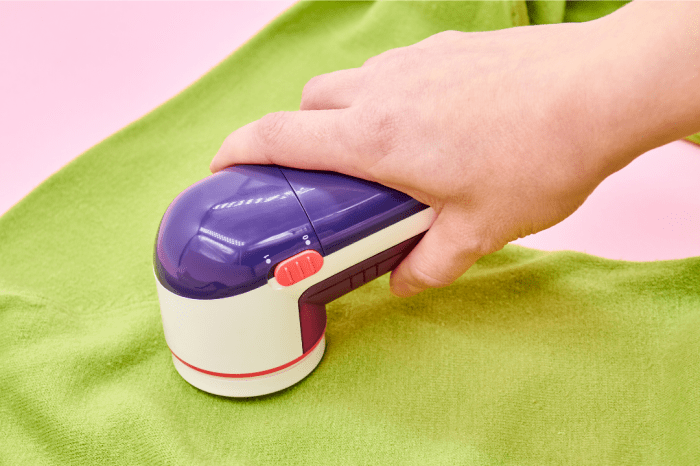
Fabric shavers, often resembling small electric razors, are designed to precisely remove surface fibers. These tools offer a targeted approach to pilling, especially for blankets with dense or persistent pile. They are generally effective on tightly woven fabrics, but caution is advised with delicate materials. Overuse can lead to uneven texture or damage, particularly on finer or more intricate patterns.
Consider using a light touch and working in small sections for optimal results.
Specialized Brushes
Specialized brushes, with varying bristle types and densities, effectively remove loose fibers and surface debris. These tools are valuable for blankets with a looser weave or those prone to fluff and fuzz. The effectiveness depends heavily on the brush type, ranging from soft, gentle brushes for delicate materials to firmer brushes designed for tougher fabrics. A soft-bristled brush is ideal for silk or wool blankets, while a firmer brush is better suited for cotton or linen.
Advanced Techniques for Stubborn Pilling
For particularly stubborn pilling, a combination of tools and techniques may be necessary. Starting with a gentle manual removal approach and progressing to specialized tools can yield superior results. Pre-treating the affected area with a fabric softener or a diluted solution of mild detergent can help loosen the pills before using a shaver or brush.
Comparison of Pilling Removal Tools
The effectiveness of different tools for pilling removal varies based on the blanket’s material and the severity of the pilling. Fabric shavers excel at precise removal of dense surface fibers, while specialized brushes are more effective at dealing with loose fibers and fluff. The choice of tool depends on the blanket’s composition and the desired level of precision.
A gentle approach with a light touch is crucial to avoid damaging the fabric.
Suitability of Tools for Blanket Types
| Blanket Type | Recommended Tool(s) | Rationale |
|---|---|---|
| Wool | Soft-bristled brush, manual removal | Wool is prone to damage from excessive force. Gentle methods are crucial to avoid matting or snags. |
| Cotton | Fabric shaver, firmer brush | Cotton blankets can tolerate more aggressive tools, but careful use is essential. |
| Silk | Soft-bristled brush, manual removal | Silk is a delicate fabric; any tool should be handled with utmost care to avoid damaging the delicate fibers. |
| Linen | Fabric shaver, firmer brush | Linen blankets can withstand moderate pressure, but over-aggressive techniques should be avoided. |
| Microfiber | Fabric shaver, specialized microfiber brush | Microfiber blankets often have a dense pile, making shavers and specific brushes suitable for precise removal. |
Prevention Strategies
Minimizing pilling on blankets is a proactive approach that significantly extends their lifespan and aesthetic appeal. By understanding the factors contributing to pilling and implementing preventive measures, consumers can enjoy plush, smooth blankets for years to come. A crucial aspect of blanket longevity is understanding the interplay between fabric composition, care practices, and environmental factors.Preventing pilling involves more than just reacting to the problem; it’s about understanding the underlying causes and choosing blankets designed to resist it.
The correct selection process, coupled with appropriate maintenance, can significantly reduce the occurrence of pilling, ensuring a luxurious and worry-free blanket experience.
Choosing Pill-Resistant Blankets
Selecting blankets less prone to pilling involves a careful consideration of the fabric’s composition. Manufacturers often utilize specialized fibers and weaving techniques to create blankets with superior resistance to pilling. Look for blankets constructed from materials like microfiber, which often exhibit reduced pilling compared to other fabrics. High-quality, tightly woven fabrics also play a significant role in preventing the tiny fibers from coming loose and forming pills.
Importance of Proper Care and Maintenance
Regular and appropriate care significantly impacts a blanket’s lifespan and reduces pilling. Avoid harsh detergents or overly hot water during washing, as these can damage the fibers and increase the likelihood of pilling. Gentle machine washing cycles, or hand washing when possible, are crucial for preserving the integrity of the fabric. Air drying is often recommended, avoiding the high heat of a dryer, which can also contribute to pilling.
Furthermore, storing blankets properly, avoiding excessive folding or twisting that can cause stress on the fibers, can help minimize the formation of pills.
Fabric Composition in Pilling Prevention
The choice of fabric significantly influences the susceptibility to pilling. Natural fibers like wool or cotton, while often prized for their softness, may be more prone to pilling compared to synthetic fibers like microfiber. The tighter the weave of the fabric, the less likely it is to shed fibers, thereby reducing the formation of pills. The presence of treatments or coatings on the fabric also play a role in reducing friction and preventing fiber breakage, leading to less pilling.
Recommendations for Minimizing Pilling
Implementing these strategies can substantially reduce the formation of pills on blankets:
- Choose blankets with a high-quality, tight weave. A tighter weave minimizes fiber release, a major contributor to pilling.
- Wash blankets in cold water or a gentle cycle. Avoid using harsh detergents and opt for specialized cleaning products designed for delicate fabrics. This will help maintain the integrity of the fabric fibers, reducing the risk of pilling.
- Air dry blankets whenever possible. High heat from a dryer can damage the fibers, making them more susceptible to pilling. Line drying or air drying methods are preferred to preserve the softness and integrity of the fibers.
- Store blankets properly. Avoid folding or twisting them excessively, as this can cause stress on the fibers and lead to the formation of pills. Instead, gently roll or fold the blankets, using care to prevent creasing.
- Use a lint roller or vacuum cleaner to remove loose fibers. This can help remove potential pilling sources before they have a chance to become noticeable pills.
Troubleshooting Common Issues
Persistent pilling, despite attempted removal methods, can stem from various factors. Understanding these underlying causes is crucial for effectively addressing the issue and restoring the blanket’s aesthetic appeal. Often, a deeper examination reveals the root of the problem, leading to a more sustainable solution than repeated superficial treatments.
Persistent Pilling After Treatment
Failure to completely eliminate pilling after multiple attempts can indicate underlying material issues or improper care practices. These factors need to be investigated to prevent recurring problems. Deteriorating fibers, uneven weaves, or improper cleaning procedures can contribute to persistent pilling.
Dealing with Severe Pilling
Severe pilling often necessitates more aggressive approaches. Simple manual removal may prove ineffective, and specialized tools or professional cleaning services might be required. The extent of the damage directly influences the treatment plan. A blanket with significant pilling may be best suited for professional cleaning, given the potential for further damage from improper home remedies.
Specific Problems and Solutions
Several issues contribute to persistent or severe pilling. A blanket with a high concentration of pills might have originally been manufactured with inferior materials, resulting in a higher propensity for pilling. Similarly, excessive washing or drying cycles can also cause fibers to fray and create more pills.
Categorization of Common Issues and Solutions
| Issue | Potential Causes | Solutions |
|---|---|---|
| Persistent Pilling | Inferior material quality, improper washing/drying, or uneven weave | Professional cleaning, checking manufacturer recommendations for care, and avoiding harsh detergents. |
| Severe Pilling | Significant material degradation, excessive wear, or unsuitable cleaning methods | Professional dry cleaning, or specialized treatments, depending on the fabric composition. |
| Pilling on Specific Areas | Uneven wear and tear, localized friction, or improper use | Careful examination of the area for friction points or use patterns. Using a gentler cleaning method or protecting the area from future damage may be necessary. |
| Pilling after repeated washing | Fabric’s susceptibility to damage from repeated washing, unsuitable detergent, or high heat during drying. | Using a gentle detergent, avoiding excessive heat during drying, and opting for professional cleaning services for severe cases. Following manufacturer’s care instructions. |
DIY Solutions and Alternatives
For those seeking budget-friendly or hands-on approaches to pilling removal, DIY methods offer an alternative to commercial tools. However, effectiveness and potential risks should be carefully considered. These methods can range from simple to more involved, depending on the severity of the pilling and the fabric type.
DIY Pilling Removal Methods
DIY methods often utilize household items, such as toothbrushes, scissors, and even tape. Their effectiveness varies greatly depending on the fabric and the extent of pilling.
Using a Toothbrush
A soft-bristled toothbrush can gently remove loose pills from the surface of the fabric. This technique works best on fabrics with superficial pilling. The bristles gently lift the pills without causing damage to the fabric’s fibers. For heavily pilled areas, the process might require repeated brushing and careful attention to detail.
Using Scissors
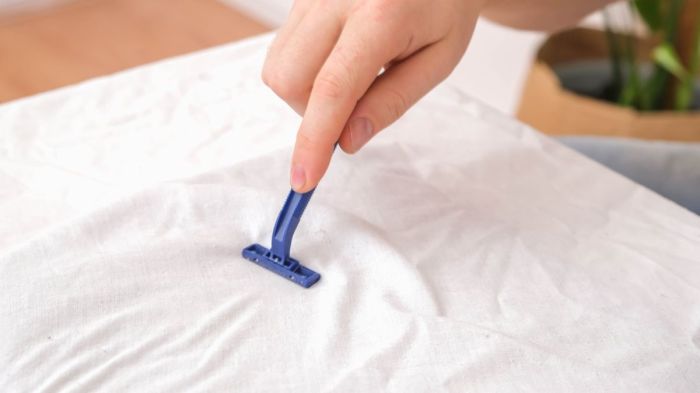
Small, sharp scissors can be used to carefully snip off larger, more prominent pills. This method is effective for blankets with noticeable clumps of pilling. However, it is crucial to avoid cutting into the fabric’s fibers, as this can cause damage and potentially weaken the material. Precision is key to prevent unintended cuts.
Using Tape
Sticky tape, such as packing tape or masking tape, can be used to remove small pilling. The tape’s adhesive surface can lift and remove pills without damaging the fabric. This method is particularly useful for fabrics that are delicate or have a tendency to fray. The tape should be applied and removed carefully to avoid pulling at the fabric.
Making a DIY Pilling Removal Tool
Creating a simple pilling removal tool can be achieved using readily available materials. A homemade tool could consist of a piece of cardboard or plastic with a textured surface, like sandpaper or a sponge. The textured surface can effectively lift and remove pills without scratching or damaging the fabric.
Effectiveness Comparison
While DIY methods offer a cost-effective approach, their effectiveness is generally lower than that of specialized commercial tools. Specialized tools are designed with specific features that increase their effectiveness and reduce the risk of fabric damage. Commercial tools can handle a wider range of fabric types and pilling severities. However, the simple tools are appropriate for light pilling on delicate materials.
Potential Risks and Rewards
DIY methods can save money, but the potential for damage to the fabric is a significant concern. Using the wrong technique or applying too much pressure can lead to fabric damage. Carefully assessing the fabric’s type and the severity of the pilling is crucial before attempting any DIY solution. The reward is the potential for a low-cost, hands-on approach.
Professional Cleaning Options
For delicate or heavily pilled blankets, professional cleaning often proves a superior solution to DIY methods. The specialized equipment and expertise of professional cleaners can address intricate pilling and restore the blanket’s original condition, especially when dealing with high-quality fabrics or intricate designs. This approach is crucial for preventing further damage and preserving the blanket’s value.
Situations Requiring Professional Cleaning
Blanket pilling can vary significantly in severity. Some blankets may benefit from a gentle professional cleaning to remove stubborn pilling, while others might necessitate a deep clean to restore their original texture. For blankets exhibiting extensive pilling, showing signs of damage beyond what DIY methods can handle, or constructed from delicate fabrics (e.g., cashmere, silk), professional cleaning is recommended.
High-value or antique blankets should always be professionally cleaned to avoid irreversible damage.
Benefits of Professional Cleaning
Professional cleaning offers several advantages over DIY methods. Experienced cleaners use specialized equipment and techniques to effectively remove pilling, minimizing the risk of fabric damage. They also possess a deeper understanding of various fabrics and cleaning solutions, preventing potential harm to the material. Professional cleaning often results in a more thorough and effective removal of pilling, and can often restore a blanket to its original softness and aesthetic appeal.
Drawbacks of Professional Cleaning
While professional cleaning often yields superior results, it does come with certain drawbacks. Professional cleaning services can be more expensive than DIY methods, particularly for blankets requiring extensive treatment. Scheduling appointments and adhering to the turnaround time may also present logistical challenges. Finally, the environmental impact of the cleaning chemicals used by professional cleaners, while often minimal, should be considered.
Professional Cleaning Services
Locating reliable professional dry cleaners or laundromats capable of handling blankets requires research and potentially contacting several establishments. Local dry cleaners, specialty textile cleaners, and laundromats that cater to delicate fabrics often provide blanket cleaning services. Checking online reviews and recommendations from trusted sources, such as local community forums or online blanket forums, can help narrow down the selection.
Comparison of DIY and Professional Cleaning
| Characteristic | DIY Cleaning | Professional Cleaning |
|---|---|---|
| Cost | Low | High |
| Time Commitment | Low to Moderate | Moderate to High (scheduling and turnaround time) |
| Expertise | Limited to home cleaning knowledge | Specialized knowledge and equipment |
| Risk of Damage | Moderate (potential for fabric damage or discoloration) | Low (specialized equipment and techniques) |
| Effectiveness | Variable, dependent on blanket type and pilling severity | High, particularly for severe pilling and delicate fabrics |
Environmental Impact
The increasing awareness of environmental concerns necessitates a critical examination of the environmental impact of pilling removal methods. From the sourcing of materials to the disposal of waste, every step in the process contributes to a larger ecological footprint. Understanding these impacts empowers consumers to make more sustainable choices.The environmental footprint of a product extends beyond its lifecycle.
The manufacturing process, transportation, and eventual disposal of materials all play a role in the overall impact. This analysis will assess the ecological impact of various pilling removal strategies, highlighting the potential for sustainable practices.
Evaluating Different Removal Methods
Different pilling removal methods vary significantly in their environmental footprint. Manual methods, while potentially less resource-intensive, can be time-consuming and may not always be effective. Machine washing, a common household approach, often relies on synthetic detergents and potentially harmful chemicals, which can contaminate water sources if not properly managed. Moreover, the energy consumption of washing machines contributes to overall carbon emissions.
Sustainable Materials and Eco-Friendly Practices
The choice of blanket material plays a crucial role in minimizing the environmental impact. Sustainable materials, such as organic cotton or recycled fibers, are gaining popularity due to their reduced environmental footprint. These materials often require less water and pesticides during cultivation, reducing the overall impact on ecosystems. Likewise, innovative techniques for blanket production and disposal also contribute to minimizing the environmental impact.
Eco-Friendly Pilling Removal Methods
Certain methods minimize the environmental burden associated with pilling removal. Manual methods, when done carefully, avoid the use of harsh chemicals. Opting for gentle, natural cleaning solutions can significantly reduce the environmental impact of pilling removal.
Comparison of Methods
| Method | Environmental Impact |
|---|---|
| Manual Removal (with natural cleaning solution) | Lower impact due to minimal energy use and reduced chemical use. Potential for high labor cost. |
| Machine Washing (with eco-friendly detergents) | Moderate impact. Energy consumption from washing machine and water usage is a factor. |
| Specialized Tools (with minimal energy use) | Potential for lower impact depending on tool material and energy use during operation. |
| Professional Cleaning (with sustainable cleaning practices) | Moderate to high impact depending on the cleaning facility’s practices. May be a better option for delicate blankets. |
Fabric Types and Pilling Resistance
Fabric pilling, a common textile defect, significantly impacts a garment’s aesthetic appeal and longevity. Understanding the relationship between fabric construction, fiber type, and pilling resistance is crucial for consumers and manufacturers alike. This knowledge empowers informed decisions regarding fabric selection and care, minimizing pilling and maximizing product lifespan.Fabric construction plays a critical role in a textile’s propensity to pill.
The weave, knit, and overall structure influence the fabric’s surface texture and susceptibility to fiber abrasion. A tightly woven fabric, for example, often exhibits lower pilling tendencies compared to a loosely knit one, as the fibers are less likely to be exposed to friction. Furthermore, the fiber type itself dictates a material’s resistance to friction and subsequent pilling.
Fabric Construction and Pilling
The way fibers are arranged in a fabric directly correlates to its pilling tendency. Tightly woven fabrics, such as twill or satin, tend to resist pilling better than loosely woven or knit fabrics. The interlocking nature of the fibers in tight weaves creates a more resilient surface, reducing the likelihood of fiber entanglement and subsequent pilling. Conversely, knit fabrics, characterized by interlocking loops, often exhibit a higher propensity for pilling due to the more exposed nature of the fibers.
Fiber Type and Pilling Resistance
Different fiber types exhibit varying degrees of pilling resistance. Natural fibers, such as cotton and wool, can be prone to pilling, especially when subjected to significant wear and tear. Synthetics, on the other hand, often show higher resistance to pilling, though this varies depending on the specific synthetic fiber. Polyester, for example, is generally known for its resistance to pilling.
The molecular structure and surface characteristics of the fiber are key factors influencing this resistance.
Comparison of Pilling Resistance Across Fabrics
A variety of factors contribute to a fabric’s pilling resistance. The fiber type, weave structure, and finishing processes all play a crucial role. For example, fabrics treated with anti-pill finishes are designed to minimize the formation of pills. Ultimately, a fabric’s resistance to pilling is a complex interplay of these factors.
Fabric Pilling Resistance Table
| Fabric Type | Pilling Resistance | Comments |
|---|---|---|
| Polyester | High | Generally resistant to pilling due to its smooth surface and strength. |
| Nylon | High | Similar to polyester in pilling resistance, often used in outdoor gear. |
| Acrylic | Medium | Can pill, but often has a soft hand feel. |
| Cotton | Low | Prone to pilling, especially with heavy use. |
| Wool | Low | Can pill, but the natural fiber’s resilience may delay the onset. |
| Linen | Low | Prone to pilling due to its natural fiber structure. |
| Silk | Low | Can pill with significant wear, often prone to snags. |
| Cashmere | Medium | Can pill with heavy use; the soft hand feel often compensates. |
Wrap-Up
In conclusion, conquering blanket pilling is a multifaceted endeavor. From targeted manual removal to the strategic use of specialized tools, machine washing considerations, and even DIY techniques, the guide provides a holistic approach to tackling this common textile issue. Ultimately, this guide empowers readers to confidently tackle pilling, transforming their blankets from unsightly to pristine. By understanding the root causes and implementing the appropriate solutions, you can reclaim your cozy comfort zone.
