
Hanukkah candles, a beacon of light and tradition, illuminate the eight-night festival. More than just flickering flames, they symbolize resilience, community, and the enduring spirit of Jewish heritage. From their historical significance to modern interpretations, these candles offer a captivating lens into a rich tapestry of culture and celebration.
This comprehensive exploration delves into the historical context, diverse types, practical lighting practices, safety considerations, and even creative crafting and decorating ideas surrounding Hanukkah candles. We’ll also analyze the evolution of these traditions through time, and consider their relevance in contemporary society.
Hanukkah Candle Significance
The eight-day Hanukkah celebration commemorates the rededication of the Second Temple in Jerusalem, a pivotal moment in Jewish history. The lighting of the menorah, a nine-branched candelabrum, is central to this observance, imbued with profound religious and historical significance. This ritual, passed down through generations, embodies the enduring spirit of Jewish resilience and the enduring power of faith.The Hanukkah menorah, with its central shamash (helper candle), serves as a tangible reminder of the miracle of the oil.
This historical event, recounted in the Books of Maccabees, details how a single day’s worth of oil miraculously burned for eight days, allowing the Jews to rededicate the temple. This narrative of perseverance and divine intervention has become a cornerstone of Jewish tradition.
Historical and Religious Context
The Maccabean Revolt, a Jewish uprising against the Seleucid Empire in the 2nd century BCE, led to the reclaiming of the Second Temple. The rededication of the temple, marked by the rekindling of the menorah, became a significant religious occasion, underscoring the Jewish people’s unwavering commitment to their faith and religious freedom.
Symbolic Meaning of Lighting
The act of lighting the Hanukkah candles carries profound symbolic meaning. The flame represents the flickering flame of hope, resilience, and faith. Each candle represents one of the eight days of Hanukkah, symbolizing the miraculous eight days of oil that burned in the temple. The central shamash candle, used to light the other candles, is a symbol of the light of God, which illuminates the path for the community.
The placement of the candles, from right to left, also holds symbolic significance, reflecting the progression of the story and the continuity of Jewish tradition.
Interpretations of the Message
Different interpretations exist regarding the message conveyed by the Hanukkah candles. Some view it as a reminder of the enduring power of faith in the face of adversity. Others see it as a symbol of the triumph of light over darkness, symbolizing the Jewish people’s ability to overcome oppression and maintain their identity. Furthermore, the Hanukkah candles can be seen as an allegory for the continuous fight for freedom and religious expression.
Comparison with Other Jewish Lighting Ceremonies
While Hanukkah is unique in its focus on the miracle of the oil, other Jewish lighting ceremonies exist, such as Shabbat candles and the lighting of the Sabbath lamp. These ceremonies, while distinct in their purpose and symbolism, share a common thread: the importance of light as a metaphor for spiritual illumination and the connection to divine presence. The lighting of Shabbat candles, for example, marks the beginning of the Sabbath, a day of rest and spiritual renewal.
The lighting of the Sabbath lamp signifies the importance of home and family.
Timeline of Hanukkah Candle Traditions
| Period | Description |
|---|---|
| 2nd Century BCE | The Maccabean Revolt and the rededication of the Second Temple. |
| Following centuries | Hanukkah candles become an integral part of the Jewish celebration. The ritual evolved and became more widespread within Jewish communities, with varying customs. |
| Middle Ages | The celebration of Hanukkah, including the lighting of candles, continues, and it became more integrated into the liturgical calendar. |
| Modern Era | Hanukkah traditions, including the lighting of candles, are maintained and observed worldwide, with diverse interpretations and practices within different communities. |
Hanukkah Candle Types
Hanukkah, a festival of lights, is celebrated with the meticulous lighting of candles. Beyond the fundamental ritual, variations in candle design reflect cultural and aesthetic preferences. The choices available today span a wide spectrum of styles, materials, and sizes, offering a personal touch to this significant observance.The evolution of Hanukkah candle design reflects the interplay between tradition and contemporary tastes.
From simple, traditional shapes to modern, intricate designs, the variety available caters to diverse preferences. Understanding the range of options allows individuals to select candles that resonate with their personal aesthetic and align with their values, particularly concerning environmental concerns.
Traditional Hanukkah Candle Designs
Traditional Hanukkah candles are often straightforward in design, focusing on functionality rather than ornamentation. Typically made of wax, they adhere to the historical precedents set for this ritual. Their simple forms emphasize the spiritual significance of the celebration. Variations in size and shape exist, but they are less elaborate than modern designs. This approach to candle design underscores the importance of the ritual over aesthetic considerations.
Modern Hanukkah Candle Designs
Modern Hanukkah candle designs offer a wider array of styles and aesthetics. They incorporate intricate carvings, unique shapes, and decorative elements. The materials used can vary from traditional wax to more contemporary alternatives. This diversity in design caters to individuals who value aesthetics and seek candles that complement their home décor. These designs often feature intricate patterns or visually appealing shapes.
Materials Used in Hanukkah Candles
The material used in Hanukkah candles significantly influences their properties and environmental impact. Understanding the pros and cons of various materials is crucial for informed decision-making.
| Material | Pros | Cons |
|---|---|---|
| Wax | Long-lasting burn time, classic feel, readily available. | Potentially less environmentally friendly, may contain petroleum byproducts. |
| Paraffin | Affordable, readily available, produces a strong, even flame. | Can release harmful chemicals when burned, not a renewable resource. |
| Soy | Renewable resource, biodegradable, potentially less harmful emissions. | May not burn as long as paraffin, slightly more expensive. |
The environmental impact of candle choices is increasingly important. Consumers are seeking eco-conscious alternatives that minimize their footprint. Soy candles, for example, are gaining popularity due to their use of renewable resources.
Candle Sizes and Shapes
Hanukkah candles come in a range of sizes and shapes, reflecting diverse needs and preferences. The size of the candle can influence the length of the burn time. Candles are often designed with specific dimensions to ensure they fit within traditional candle holders. Shape variations may also cater to specific aesthetic preferences, such as those seeking more visually striking designs.
Consideration for the candle’s shape and size is critical when selecting candles for a specific holder.
Hanukkah Candle Lighting Practices
The eight nights of Hanukkah are marked by the symbolic lighting of candles on a menorah, a ritual deeply intertwined with Jewish tradition and culture. This practice, steeped in historical significance, emphasizes the enduring power of light over darkness, a powerful metaphor for overcoming adversity. The precise manner in which the candles are lit holds profound meaning, reflecting the historical context of the holiday and its enduring relevance for contemporary observance.The meticulous procedures for lighting Hanukkah candles are not simply a routine; they are a deeply meaningful act of remembrance and celebration.
The order of lighting, the specific prayers recited, and the symbolic placement of the candles all contribute to the overall experience, fostering a connection to Jewish heritage and tradition. These practices serve as a reminder of the importance of faith, resilience, and the enduring spirit of the Jewish people.
Specific Procedures for Lighting Hanukkah Candles
The lighting ceremony, known as
- Hanukkiah*, typically takes place at nightfall. A special candelabrum, the menorah, is used, and it must have at least nine branches. One branch, called the
- shamash*, is situated to the side and is used to light the other candles. The
- shamash* is crucial, as it serves as the source of light for igniting the other candles.
Importance of Order in Candle Lighting
The order in which the candles are lit is significant. Each night, an additional candle is lit, starting with one on the first night and adding one more each successive night, progressing to eight on the final night. This progressive lighting symbolizes the gradual increase in light, echoing the miraculous story of the oil that lasted for eight days. This incremental increase in light represents the progressive nature of hope and renewal.
Customs Associated with Hanukkah Candle Lighting
Numerous customs are associated with Hanukkah candle lighting, varying from family to family and community to community. Some families recite blessings or prayers, emphasizing the spiritual significance of the event. Others might share stories or anecdotes related to the holiday’s history. These customs often provide a space for family connection and shared cultural experiences.
Role of the Menorah in the Lighting Ceremony
The menorah, a nine-branched candelabrum, is central to the Hanukkah candle lighting ceremony. It is not merely a container for candles; it is a powerful symbol of the miracle of the oil that burned for eight days. The unique shape and design of the menorah, often crafted with intricate details, contribute to the ceremony’s aesthetic appeal and historical significance.
It is considered a cherished family heirloom in many households.
Steps Involved in Lighting Hanukkah Candles
| Step | Description | Considerations |
|---|---|---|
| 1 | Gather the necessary items: menorah, candles, a lit
|
Ensure the menorah is clean and the candles are appropriate for the ritual. |
| 2 | Place the menorah on a stable surface, preferably in a prominent location within the home. | Consider the visibility and accessibility of the menorah for all family members. |
| 3 | Light the
|
Take care to ensure a safe and controlled flame. |
| 4 | Use the lit
|
Follow the order of lighting, beginning with the first candle on the rightmost branch. |
| 5 | Light the second candle on the second night from the right, and so on. | Continue in a progressive manner for the remaining nights. |
| 6 | Recite blessings and prayers as appropriate to the tradition of the household. | Incorporate family traditions and values in this important step. |
| 7 | Observe the flames, contemplating the significance of the miracle and the enduring light of Hanukkah. | Reflect on the message of hope and perseverance embodied in the ritual. |
Hanukkah Candle Safety
Hanukkah, a festival of lights, brings joy and warmth to homes worldwide. However, the use of candles necessitates careful attention to safety precautions. Ignoring these can lead to unfortunate accidents, diminishing the spirit of the celebration.Proper candle safety procedures ensure a joyous and accident-free Hanukkah.
Implementing these safeguards minimizes potential hazards, allowing families to fully appreciate the holiday’s significance.
Candle Holder Safety Features
Candle holders, varying in material and design, present differing safety profiles. The choice of holder significantly impacts potential risks. A thorough evaluation of safety features is essential for informed decision-making.
| Holder Type | Safety Features | Drawbacks |
|---|---|---|
| Metal | Metal holders often provide a stable base, preventing tipping. Their heat conductivity can be a safety advantage by allowing for faster dissipation of residual heat. | Metal can become quite hot during use, potentially causing burns. Some metal types may be susceptible to rust or corrosion over time. |
| Ceramic | Ceramic holders are generally less prone to heat-related burns compared to metal. They often offer an aesthetically pleasing design. | Ceramic holders can be more fragile than metal, increasing the risk of breakage. Uneven heating can cause cracking or shattering. |
| Glass | Glass holders provide a visually appealing display. The transparency allows for a clear view of the flame. | Glass holders can be prone to breakage, posing a risk of sharp shards. Glass’s poor heat conductivity means it may retain heat longer, potentially causing burns. |
| Plastic | Plastic holders are lightweight and often inexpensive. | Plastic holders may melt or deform at high temperatures, potentially posing a fire hazard. They often lack the heat dissipation properties of metal. |
Flame Safety Practices
Maintaining a safe distance from flammable materials is crucial during candle lighting. Never place candles near curtains, fabrics, or other items that can easily ignite. Ensuring a sufficient distance between candles and any potentially flammable objects is essential.
Candle Placement Considerations
Placing candles on stable surfaces is critical. Never position candles where they might be knocked over or where they could reach flammable materials. A stable and secure placement minimizes the risk of accidents.
Candle Extinguishing Techniques
Extinguishing candles safely is equally important. Never blow out candles; instead, use a candle snuffer or a similar tool to extinguish them gently and effectively. Blowing out candles may result in an accidental spreading of flames or scattering of wax.
Checklist for Safe Hanukkah Candle Use
- Ensure the candle holder is stable and free from any flammable materials.
- Verify the candle’s placement is a safe distance from any curtains, fabrics, or other flammable items.
- Confirm the area around the candle holder is clear and free from any potential hazards.
- Always use a candle snuffer or appropriate tool to extinguish the candle rather than blowing it out.
- Supervise children closely when handling candles.
These guidelines will help to ensure that Hanukkah is celebrated safely and joyfully.
Hanukkah Candle Crafts
Hanukkah, a festival of lights, offers a unique opportunity for creative expression. Beyond the traditional lighting ceremony, the spirit of Hanukkah extends to engaging in crafts that celebrate the holiday’s symbolism and create lasting memories. These activities can be enjoyed by children and adults alike, fostering a deeper connection to the traditions and promoting artistic exploration.Engaging in Hanukkah candle crafts allows individuals to personalize the holiday experience and create unique keepsakes.
These projects offer opportunities for creativity, teamwork, and a shared sense of accomplishment. Moreover, these crafts can be integrated into classroom settings, community gatherings, or family celebrations to enhance the festive spirit.
Decorative Candle Holders
Creating decorative candle holders can be a rewarding experience. Simple materials like cardboard boxes, paint, and glitter can be transformed into intricate and personalized candle holders. Alternatively, repurposed materials such as jars, tin cans, or wooden blocks can be embellished with paint, fabric scraps, or beads to create unique and visually appealing holders.
Personalizing Hanukkah Candles
Personalizing Hanukkah candles adds a unique touch to the holiday celebration. Children can decorate plain candles with markers, paint, or stickers. Adding personal messages, drawings, or symbols to the candles can enhance the sentimental value of the craft. Adults can create elaborate designs using various craft techniques like decoupage, mosaic work, or calligraphy.
Incorporating Hanukkah Candles into Other Crafts
Hanukkah candles can be incorporated into various other crafts. They can be used as central elements in menorah-shaped picture frames, or as embellishments on greeting cards or decorative boxes. For instance, candles can be embedded within a larger piece of artwork or used to create a captivating centerpieces for the dining table.
Resources for Hanukkah Candle Craft Ideas
Numerous online resources and craft books offer a plethora of ideas for Hanukkah candle crafts. Websites dedicated to arts and crafts, parenting blogs, and social media groups often feature tutorials, patterns, and inspiration for crafting projects. Local craft stores, libraries, and community centers may also offer workshops or classes that can provide additional guidance and inspiration for crafting unique Hanukkah candle creations.
- Craft stores often have a wide variety of supplies for candle-making, such as paints, markers, stickers, beads, and fabric scraps.
- Online platforms, like Pinterest, provide numerous visual inspiration for Hanukkah candle craft ideas, allowing users to search for specific themes and styles.
- Local community centers frequently organize workshops or classes on various craft techniques, including candle decoration.
Hanukkah Candle Gifts
Hanukkah, a festival of lights, is a time for celebration, reflection, and gift-giving. Beyond the traditional presents, thoughtful gifts centered around the Hanukkah candles themselves can be particularly meaningful, allowing recipients to connect with the festival’s spirit and symbolism in a tangible way. This deeper connection enhances the joy and meaning of the holiday.This exploration delves into unique and thoughtful Hanukkah candle-themed gifts, categorized by age group and the significance of these gifts within the holiday.
It contrasts traditional and modern gift-giving customs, highlighting the enduring symbolic meaning of presents during Hanukkah.
Unique Candle-Themed Gifts
Thoughtful gifts related to Hanukkah candles can range from practical items to decorative pieces. These gifts allow recipients to embrace the spirit of the festival while connecting with its symbolism.
- Customizable Candle Sets: Personalized candle sets, featuring unique designs or engravings, provide a lasting memento of the holiday. These sets can include matching candle holders, creating a cohesive and aesthetically pleasing display. For instance, a set of candles engraved with a family crest or a special message can be treasured for years to come.
- Luxury Candle Holders: High-quality, intricately designed candle holders elevate the candle lighting experience, turning it into a moment of aesthetic appreciation. These can be made of materials like hand-carved wood, hand-painted ceramic, or even pewter, adding a touch of elegance to the celebration. For example, a beautiful, hand-blown glass candle holder, incorporating intricate Hanukkah-themed designs, would be a unique and special gift.
- Educational Kits: Interactive kits combining Hanukkah candle knowledge with engaging activities are perfect for children. These could include books about the history of Hanukkah, candle-making supplies, or craft projects related to the festival. Such educational tools not only teach children about the holiday but also encourage creativity and learning.
Gifts for Different Age Groups
The choice of a Hanukkah candle gift should consider the recipient’s age and interests.
- Children (Ages 3-8): Playful candle-themed crafts, such as colorful candle-shaped cookies or simple candle holder decorating kits, are engaging for young children. These gifts connect the festival with their favorite activities, making the experience fun and memorable. For example, a set of small, brightly colored candle holders designed for children’s hands could be a fantastic choice.
- Teens (Ages 9-14): Unique, modern candle holders that incorporate contemporary design elements can be appealing to teenagers. For instance, a candle holder with LED lights or a sleek, minimalist design might resonate with their aesthetic preferences. These gifts demonstrate an understanding of their interests and tastes.
- Adults (Ages 15+): Sophisticated candle holders or beautifully crafted, intricately designed candles offer an elegant touch for adults. These gifts could include a set of high-quality, fragrant candles or a unique, handcrafted candle holder that adds to the aesthetic appeal of their home. For example, a set of natural soy wax candles with intricate Hanukkah-themed artwork would appeal to the discerning tastes of adults.
Significance of Gifts During Hanukkah
Giving gifts during Hanukkah is deeply ingrained in the tradition, reflecting the joy and celebration of the festival.
Gifts symbolize the spirit of giving and receiving, emphasizing the importance of community and togetherness during the holiday.
The exchange of presents fosters a sense of gratitude and strengthens bonds among family members and friends.
Traditional vs. Modern Gift-Giving Customs
Traditional Hanukkah gift-giving customs often focused on practical items and smaller gifts, reflecting the community spirit and shared resources. Modern customs have evolved to incorporate a broader range of choices, reflecting the diversity of tastes and interests.
| Aspect | Traditional | Modern |
|---|---|---|
| Focus | Community, shared resources | Individual preferences, variety |
| Gift Types | Practical items, small gifts | Wide range of choices, unique items |
| Value | Symbolic importance | Practical value, aesthetic appeal |
Symbolic Meaning of Gifts
The symbolic meaning of Hanukkah gifts goes beyond the material. Gifts represent the victory of light over darkness and the enduring spirit of hope. They signify the importance of giving back to the community and sharing blessings. This is particularly relevant during the Hanukkah celebration, where light is a prominent symbol of hope, joy, and renewal.
Hanukkah Candle Decorations
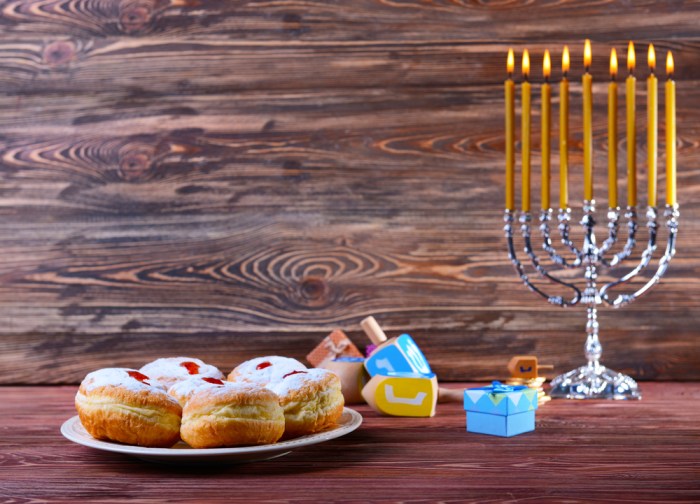
Hanukkah, a festival of lights, is celebrated with vibrant displays and symbolic decorations. Beyond the traditional menorah, the surrounding ambiance plays a crucial role in enhancing the festive spirit. These decorations often reflect the historical significance of the holiday and the joy of rededication.Decorations for Hanukkah candles go beyond mere aesthetics; they deepen the appreciation of the festival’s meaning.
The colors, patterns, and materials used evoke a sense of celebration and create a warm, inviting atmosphere for family and friends. This extends the spirit of the holiday beyond the immediate act of lighting the candles.
Traditional Hanukkah Decorations
Traditional Hanukkah decorations often center around the warmth of the holiday. The use of natural materials, like pine cones and dried fruits, evokes a connection to the harvest season, symbolizing abundance and gratitude. These decorations are often in warm, earthy tones, such as gold, brown, and beige. The menorah itself is often the focal point, decorated with simple, elegant embellishments, like metallic ribbons or small, decorative elements, to further highlight its significance.
The colors and textures contribute to a feeling of warmth and comfort.
Contemporary Hanukkah Decorations
Contemporary Hanukkah decorations embrace a broader range of styles. This includes modern, minimalist designs using clean lines and geometric patterns, to more elaborate, intricate designs. The use of bold colors, like deep blues and vibrant greens, can be incorporated to create a dynamic and energetic atmosphere. These more modern approaches can be used to engage a younger audience, while maintaining the underlying message of the holiday.
Color and Symbolism in Hanukkah Decorations
Color plays a significant role in Hanukkah decorations, often carrying symbolic meaning. For instance, blue and gold often represent royalty and prosperity. Red and white may symbolize the holiday’s historical ties to freedom and independence. The use of warm colors like gold, brown, and beige can create a cozy and welcoming ambiance, perfect for family gatherings. These color choices are often influenced by cultural and personal preferences, which can also be influenced by current trends in design.
Hanukkah Candle Decorations for Different Settings
Decorating Hanukkah candles adapts to different settings. For a home celebration, warm, inviting decorations in earthy tones can create a cozy atmosphere. For a community gathering, bolder colors and larger-scale decorations can create a more vibrant and festive ambiance. The selection of decorations should be tailored to the specific setting and the intended audience.
Hanukkah Candle Decoration Ideas (Table)
| Color Theme | Decor Ideas | Materials |
|---|---|---|
| Blue and Gold | Menorah draped with blue and gold fabric, blue and gold table runners, candlesticks adorned with gold accents, blue and gold themed napkins. | Fabric, gold accents, candlesticks, napkins, table runners |
| Red and White | Red and white patterned tablecloths, red and white candles, white menorah with red accents, red and white flowers in vases. | Tablecloths, candles, flowers, vases, ribbons |
| Silver and Teal | Silver candlesticks, teal-colored napkins, teal-colored table runner, silver ornaments, candles with teal-colored holders. | Candlesticks, napkins, table runners, ornaments, candle holders |
| Warm Gold and Brown | Natural wood or wicker menorah, pine cones, dried fruit, gold-colored candles, burlap table runner, warm brown candles. | Wood, wicker, pine cones, dried fruit, burlap, candles |
Hanukkah Candle History
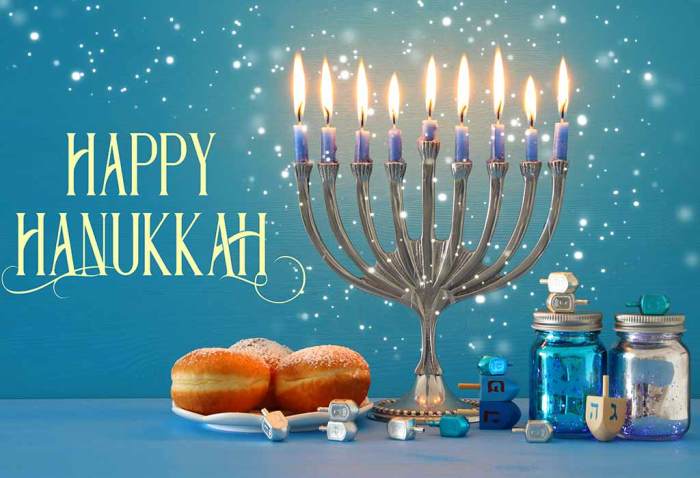
The flickering flames of Hanukkah candles, a vibrant symbol of resilience and renewal, hold a rich history woven into the fabric of Jewish tradition. Their use transcends simple ritual; they represent a potent narrative of liberation, faith, and community. The evolution of these candles reflects the dynamic interplay of historical events, cultural adaptations, and the enduring spirit of the Jewish people.The origins of Hanukkah candle lighting practices are rooted in the Maccabean Revolt, a pivotal moment in Jewish history.
This rebellion against the Seleucid Empire, fueled by religious persecution, ultimately led to the rededication of the Second Temple in Jerusalem. The eight-day celebration commemorates the miracle of the oil, which miraculously lasted eight days, providing light for the temple’s menorah. This historical context profoundly shaped the symbolism and practices surrounding the Hanukkah candles.
Historical Context of Hanukkah Candles
The Maccabean Revolt, a significant event in Jewish history, provides the historical context for the Hanukkah candle tradition. The revolt against the Seleucid Empire, a Hellenistic power, stemmed from religious persecution and the attempt to impose Greek customs on the Jewish population. The victory of the Maccabees and the rededication of the Second Temple are central to the Hanukkah narrative.
The miracle of the oil, lasting eight days, is a central theme that inspired the tradition of lighting candles for eight nights.
Key Figures and Events
The Maccabean leaders, particularly Judah Maccabee, played a crucial role in the Hanukkah story. Their bravery and unwavering commitment to religious freedom inspired generations. The rededication of the Second Temple, a significant religious event, solidified the importance of the Hanukkah celebration. This event is remembered through the lighting of the menorah, symbolizing the enduring flame of Jewish faith.
Cultural Impact Across Communities
The Hanukkah candle tradition has resonated across various Jewish communities, demonstrating remarkable adaptability. From Ashkenazi communities in Europe to Sephardic communities in the Mediterranean, the traditions have adapted while retaining core elements. Different communities have developed distinct customs and rituals, reflecting the unique cultural landscapes they inhabited.
Historical Depictions of Hanukkah Candles
Early depictions of Hanukkah candles, often found in illuminated manuscripts and historical artwork, provide valuable insights into the evolution of the tradition. These depictions offer visual representations of the menorah, its placement, and the overall atmosphere of the celebration. The imagery often highlights the importance of light and the miracle of the oil.
Differences in Hanukkah Candle Traditions
While the core concept of Hanukkah candles remains consistent, various Jewish communities have developed distinct traditions. Variations in the design and placement of the menorah, specific blessings recited, and the significance attached to each night’s candle lighting reflect the unique cultural and historical contexts of different groups. These differences underscore the rich tapestry of Jewish traditions and their adaptation across diverse communities.
Modern Interpretations of Hanukkah Candles
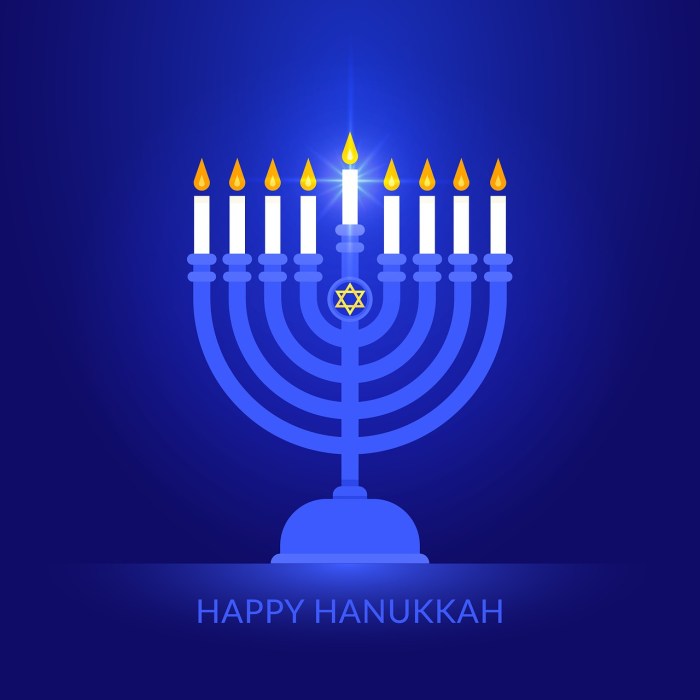
Hanukkah, a festival of lights, has deep historical roots but continues to resonate with modern families. The symbolic act of lighting candles, traditionally steeped in Jewish tradition, finds new expressions in contemporary interpretations, reflecting evolving lifestyles and values. This evolution allows the festival to remain relevant and meaningful in the 21st century.Contemporary families are adapting Hanukkah candle rituals to their schedules and preferences.
The emphasis on family togetherness, a core tenet of Hanukkah, remains prominent. However, the specifics of how families observe the ritual vary, demonstrating the adaptability and resilience of this ancient tradition.
Contemporary Adaptations of Hanukkah Candle Lighting
Modern families are finding creative ways to integrate Hanukkah candle lighting into their daily routines. Some families may choose to light the candles in the morning, as opposed to the evening, to fit their schedules. Others may incorporate the lighting ceremony into pre-existing family traditions. Some families may use the candles as a time for personal reflection and gratitude.
The key is to adapt the tradition in a way that respects its history while maintaining personal significance.
Creative Uses of Hanukkah Candles in Modern Art and Design
Hanukkah candles, beyond their traditional use, are inspiring creative expressions in modern art and design. Artists are incorporating the symbolism of the candles into paintings, sculptures, and installations. For example, contemporary artists may use the flame of the candle as a metaphor for hope, resilience, and the enduring spirit of the Jewish people. The vibrant colors of the menorah are also inspiring design choices in home decor, fashion, and jewelry.
The shape of the menorah itself, with its ascending structure, is also found in architectural and interior designs.
Impact of Social Media on Sharing Hanukkah Candle Traditions
Social media has significantly impacted the way Hanukkah candle traditions are shared and celebrated. Families and individuals can now easily share photos and videos of their Hanukkah candle lighting ceremonies with friends and family across geographical boundaries. This enables a sense of community and connection among people who may not otherwise have the opportunity to celebrate together. Online platforms are also fostering a wider exchange of ideas and insights regarding Hanukkah traditions, inspiring innovative and creative ways to commemorate the festival.
Final Conclusion
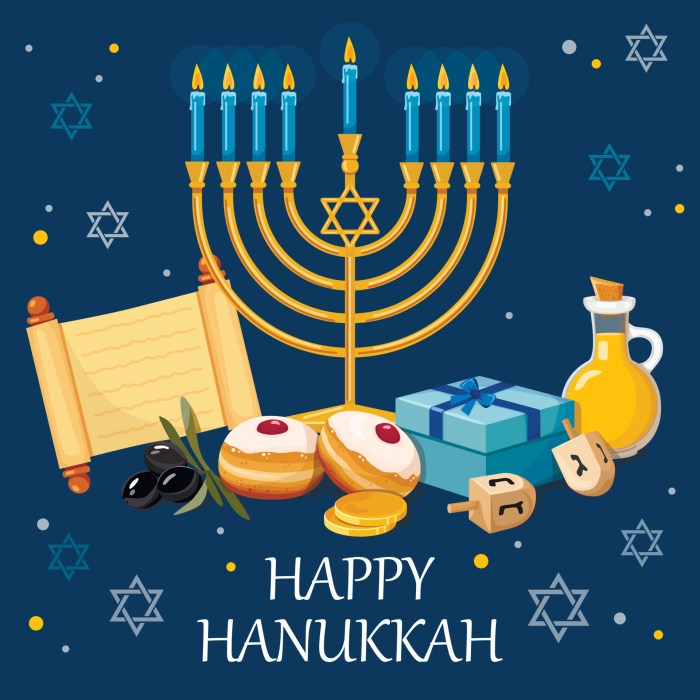
In conclusion, Hanukkah candles are far more than simple decorative items; they are deeply rooted in Jewish history and tradition. Their significance transcends time, continuing to inspire and connect generations. From the meticulous lighting rituals to the creative crafts and decorations, the enduring appeal of Hanukkah candles lies in their ability to foster a sense of community and illuminate the spirit of celebration.
