
Japanese decorative trays, crafted from diverse metals like brass, copper, and iron, are more than mere vessels. They embody centuries of artistry, reflecting historical trends and cultural significance. These exquisite trays, adorned with intricate patterns and motifs, showcase the depth of Japanese aesthetic sensibilities. From subtle nature imagery to auspicious symbols, each tray tells a story.
This exploration delves into the history, design, and cultural context of Japanese decorative trays. It examines the evolution of these trays through time, from traditional techniques to contemporary applications. The analysis considers the materials used, craftsmanship involved, and the cultural symbolism embedded within their design. Understanding the significance of these trays provides insight into Japanese artistry and aesthetic values.
Overview of Japanese Decorative Trays
Japanese decorative trays, more than mere serving vessels, are deeply intertwined with the nation’s rich aesthetic traditions. These meticulously crafted pieces embody a profound respect for artistry and the natural world, reflecting a philosophy of harmony and balance. Their delicate designs and exquisite craftsmanship speak volumes about Japanese culture’s enduring appreciation for beauty.Beyond their practical function, these trays serve as potent symbols of status, taste, and cultural heritage.
Their presence in homes and public spaces underscores the importance placed on aesthetics and craftsmanship within Japanese society. The materials and designs used in their creation often speak to specific eras, showcasing the evolving tastes and priorities of the time.
Common Materials
Japanese decorative trays are often crafted from a variety of materials, each contributing to the unique character of the piece. The choice of material reflects not only practicality but also the desired aesthetic.
- Metal: Brass, copper, and iron are prominent choices, each offering distinct properties and visual appeal. Brass, with its warm golden hue, evokes a sense of luxury and sophistication. Copper, with its rich reddish tones and potential for patination, adds a layer of depth and character over time. Iron, often used in more rustic or contemporary designs, can exhibit a strong, enduring presence.
- Wood: Wood, especially lacquered wood, is another favored material. The smooth surface of lacquered wood, often with intricate inlay work, complements the often-geometric patterns found in metal trays. The inherent warmth and natural grain of wood provide a striking contrast to the metallic surfaces. Types of wood, like cherry, maple, and sandalwood, add their unique textures and tones to the overall design.
- Ceramic: Ceramic trays, frequently glazed and decorated, provide an alternative aesthetic. These pieces can incorporate intricate patterns and colors, offering a range of artistic expressions. Glazes, often featuring subtle colors or intricate designs, are frequently used to enhance the tray’s visual appeal.
Historical and Contemporary Styles
The styles of Japanese decorative trays have evolved through centuries, reflecting changing tastes and artistic movements. Early examples often feature minimalist designs and natural motifs. Later styles may incorporate more elaborate patterns or incorporate symbolic imagery.
- Antique Styles: Ancient Japanese trays frequently showcased simpler, more functional designs, with natural motifs often reflecting nature. These pieces often emphasize the natural beauty of the material itself, with minimal adornment. They highlight the importance of simplicity and the inherent beauty of the material.
- Modern Styles: Contemporary Japanese trays frequently embrace innovative design elements, blending traditional aesthetics with modern sensibilities. Geometric patterns and bold colors are increasingly common. Contemporary pieces demonstrate a desire for originality and experimentation within the established aesthetic traditions.
Metal Comparison Table
The choice of metal significantly impacts the tray’s appearance and longevity.
| Metal | Durability | Luster | Aesthetic |
|---|---|---|---|
| Brass | Good, resists corrosion | Warm, golden shine | Luxurious, traditional |
| Copper | Good, develops a beautiful patina | Rich, reddish tones | Unique, aged character |
| Iron | High, strong | Can vary depending on finish | Rustic, contemporary, strong |
Design Elements and Patterns
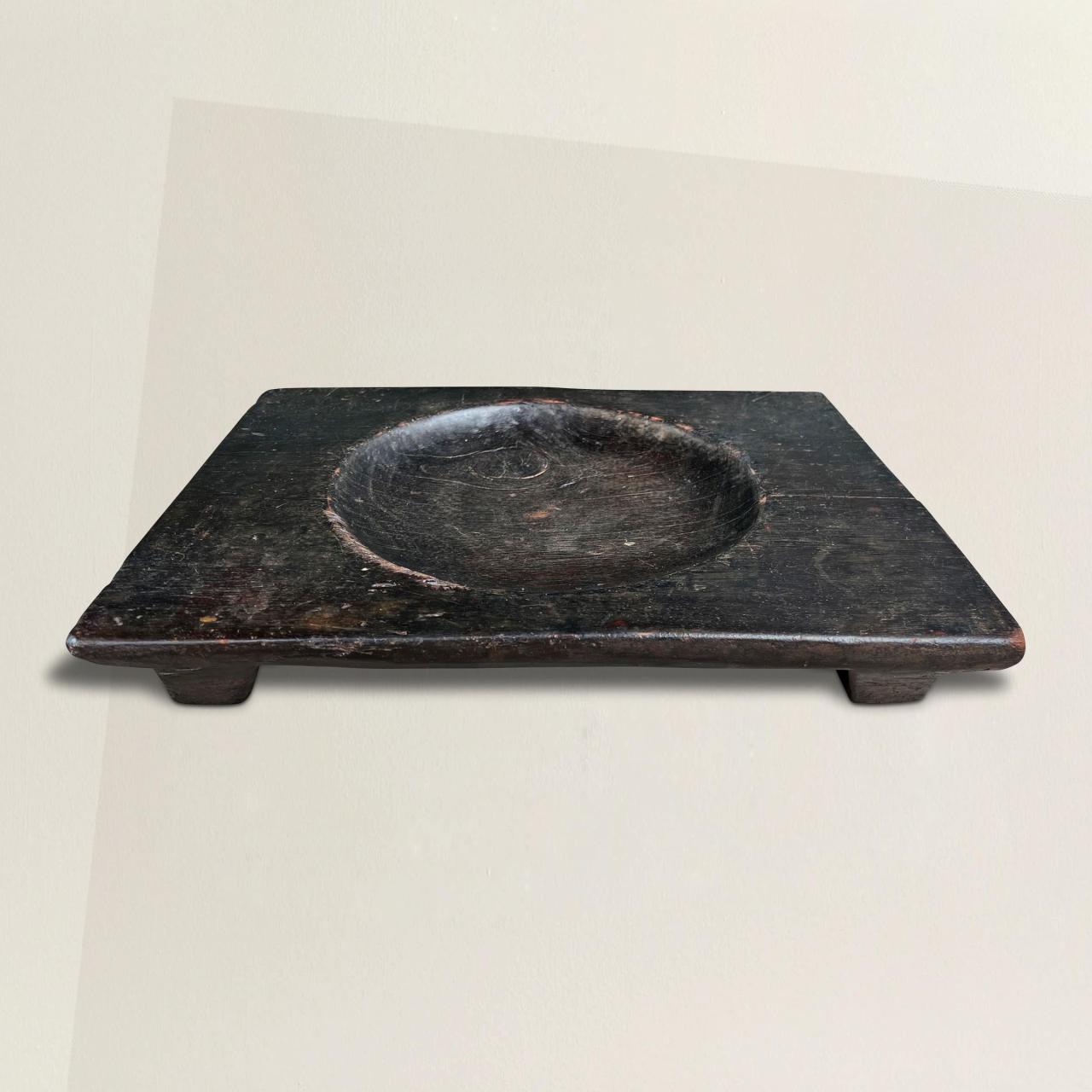
Japanese decorative metal trays, meticulously crafted, often serve as miniature works of art. Their designs, drawing inspiration from nature and cultural symbolism, convey a deep understanding of aesthetics and philosophy. These trays, far from being mere utilitarian objects, reflect the meticulous artistry and cultural heritage of Japan.Beyond their practical function, these trays showcase a rich tapestry of design elements and patterns.
These motifs, meticulously chosen and executed, carry symbolic weight, offering a glimpse into the values and beliefs of the Japanese people. The craftsmanship involved in creating these trays is equally noteworthy, demanding a high level of skill and precision.
Common Design Motifs
Japanese decorative metal trays frequently feature recurring motifs, often imbued with symbolic meaning. Nature’s beauty is a recurring theme, evident in the depiction of flowing water, majestic mountains, or vibrant flora and fauna. These motifs are not merely decorative; they evoke a deeper connection to the natural world and the philosophical concepts it represents.
Symbolic Meanings
The symbolic meanings behind these motifs are deeply rooted in Japanese aesthetics and beliefs. For instance, the imagery of blossoming cherry trees can symbolize the ephemeral beauty of life and the fleeting nature of time. Waterfalls and flowing streams might evoke concepts of tranquility, purity, and the continuous cycle of life. Geometric patterns, such as intricate circles and spirals, often symbolize harmony and the interconnectedness of all things.
Furthermore, auspicious symbols like the carp, a symbol of strength and perseverance, are frequently employed, imbuing the trays with a sense of good fortune and prosperity.
Craftsmanship and Artistry
The creation of these decorative trays demands a high level of skill and artistry. Master craftsmen, often working in traditional workshops, meticulously craft each element, from the initial design to the final polishing. The use of specific metals, such as bronze or copper, contributes to the tray’s unique aesthetic qualities. The intricate details, precise lines, and subtle variations in texture are testament to the dedication and mastery of the artisans.
Table of Design Motifs
| Motif | Symbolism | Examples of Application |
|---|---|---|
| Cherry Blossoms | Ephemeral beauty, fleeting nature of time, renewal | Depicted in various stages of bloom, often in vibrant colors. May appear as single blossoms or clusters, creating a sense of delicate beauty. |
| Waterfalls/Streams | Tranquility, purity, continuous cycle of life | Depicted as cascading water, emphasizing fluidity and movement. May include rocks and plants for added visual interest. |
| Carp Fish | Strength, perseverance, good fortune, prosperity | Often depicted in bold, dynamic poses, symbolizing resilience and success. May be featured singly or in groups. |
| Geometric Patterns (e.g., circles, spirals) | Harmony, interconnectedness, completeness | These patterns are often intricately woven into the overall design, emphasizing balance and symmetry. May be used as a background element or as a central focus. |
| Bamboo | Strength, flexibility, resilience | Depicted in various forms, often in a natural, elegant manner, highlighting the plant’s strength despite its slenderness. |
Materials and Construction Techniques
Japanese metal trays, meticulously crafted works of art, showcase a rich history of metalworking techniques. From the delicate hammering of hammered copper to the intricate inlay of silver on brass, these trays reflect the artisans’ profound understanding of materials and the precision of their craft. This mastery extends beyond mere aesthetics, embodying cultural values and philosophical principles.Traditional Japanese metal trays employ a diverse range of materials, each chosen for its unique properties and aesthetic qualities.
Copper, renowned for its malleability and warm tones, is frequently used for its capacity to be hammered into intricate designs. Brass, an alloy of copper and zinc, lends itself to intricate patterns and a golden hue, often used in combination with other metals. Silver, prized for its brilliance and durability, is sometimes incorporated for inlaid designs or accents.
The selection of materials is not arbitrary; it’s a deliberate choice that speaks to the intended function and the overall aesthetic vision of the piece.
Traditional Techniques in Metalworking
The creation of a Japanese metal tray involves a complex interplay of techniques, each requiring significant skill and patience. The initial shaping of the metal often begins with a flat sheet, carefully worked with hammers and mallets to achieve the desired form. This process, known as hammering, is not merely about shaping; it’s a method for refining the metal’s texture and creating subtle variations in its surface.
For example, repeated hammering can create a hammered effect that adds depth and visual interest to the tray’s design. Furthermore, the hammering process can be employed to create relief patterns and raised designs, adding another layer of complexity to the final product.
Shaping, Hammering, and Decorating Metal Surfaces
The shaping process is followed by meticulous hammering, a technique that involves careful and controlled blows to mold the metal into its final form. Specific tools, each designed for a particular hammering action, are utilized to create varied textures and patterns. The skill of the artisan lies in their ability to precisely control the hammering force and direction to achieve the desired aesthetic and structural integrity.
Decorative elements, such as engravings or inlays, are often added after the shaping and hammering stages, adding further depth and richness to the tray’s design.
Comparison with Other Cultures
Japanese metalworking techniques, while unique, share commonalities with those of other cultures. The use of hammering and shaping techniques, for instance, is a universal approach across various cultures. However, Japanese artisans often place a greater emphasis on the interplay of materials and the creation of a harmonious aesthetic. This focus on balance and the interplay of form and function distinguishes Japanese metal trays from those of other cultures.
For example, while other cultures might emphasize the strength and durability of the metal, Japanese aesthetics prioritize the harmony between the metal and its surroundings.
Stages in the Creation of a Japanese Metal Tray
| Stage | Description |
|---|---|
| Preparation | Selection of metal, marking the design, and preparing the working surface. |
| Shaping | Using hammers and tools to mold the metal into the desired form. |
| Hammering | Further refining the metal’s form, texture, and patterns through controlled hammering. |
| Decorating | Applying intricate patterns, engravings, or inlays to embellish the surface. |
| Finishing | Polishing the tray to achieve the desired sheen and ensuring the surface’s durability. |
Historical Context and Evolution
Japanese decorative trays, meticulously crafted vessels of artistry, reflect the nation’s rich cultural tapestry. Their design and materials evolved alongside changing aesthetic preferences and technological advancements, mirroring the broader historical trends of Japan. From the elegant simplicity of ancient times to the intricate artistry of modern periods, each era left its indelible mark on the development of these exquisite objects.The evolution of Japanese decorative trays is intricately linked to the socio-economic and artistic movements that shaped the country.
Changes in imperial power, the rise of new aesthetics, and shifts in available materials all contributed to the unique characteristics of trays produced during different periods. Understanding these historical influences illuminates the deeper meanings embedded within the design and craftsmanship of each piece.
Timeline of Japanese Decorative Tray Styles
The design of Japanese decorative trays evolved across centuries, responding to shifting artistic trends and social needs. Early examples, often showcasing simple, functional forms, transitioned into elaborate, decorative pieces reflecting sophisticated aesthetic ideals.
- Ancient Period (Pre-Heian, 710-1185): Traditionally, these trays were predominantly utilitarian, crafted from natural materials like wood and lacquered. Designs were straightforward, often featuring geometric patterns or simple motifs that reflected the era’s practical needs. Examples of such trays are likely found in museum collections and archeological sites, exhibiting a focus on practicality over ornamentation.
- Heian Period (794-1185): The Heian period saw a shift towards refined aesthetics. Trays started incorporating more elaborate patterns, often inspired by nature, with a focus on elegance and beauty. The use of lacquer became more widespread, with techniques evolving to create intricate designs and nuanced textures.
- Kamakura and Muromachi Periods (1185-1600): These periods witnessed a blend of practical and decorative elements in tray design. The influence of Zen Buddhism introduced minimalist aesthetic ideals, seen in the use of simple lines and natural forms. The use of metal alloys, like bronze and brass, became more common, adding a touch of opulence.
- Edo Period (1603-1868): The Edo period saw a rise in artistic diversification and the refinement of existing techniques. Trays reflected the evolving tastes of the merchant class, featuring intricate motifs, vivid colors, and an increased emphasis on decorative details. The availability of new materials, like ceramics and porcelain, expanded the palette of options for artisans.
- Meiji and Taisho Periods (1868-1926): These periods saw the introduction of Western influences into Japanese art. Trays reflected a fusion of traditional Japanese aesthetics with Western design elements, demonstrating a period of adaptation and innovation. The use of imported materials became more common, leading to new designs and techniques.
- Showa and Heisei Periods (1926-2019): These periods saw the continued development of Japanese decorative trays. Modern influences continued to integrate with traditional techniques, resulting in contemporary designs that honored the past while embracing the present. Modern materials and production methods played a role in this evolution, as did the rise of the modern design movement.
Notable Examples Across Eras
Identifying specific trays from each period can be challenging due to the lack of readily available, comprehensive documentation. Many pieces from earlier periods have been lost or destroyed. However, museums and art collections worldwide house examples of trays from various periods, allowing us to appreciate the evolution of design and craftsmanship. These examples demonstrate the influence of the respective era’s aesthetic preferences.
| Period | Notable Features | Materials | Examples (Illustrative) |
|---|---|---|---|
| Ancient Period | Simple, functional forms; geometric patterns; natural materials | Wood, lacquer | (Pottery shards with rudimentary designs, or depictions of extant objects in archaeological records) |
| Heian Period | Refined aesthetics; elaborate patterns; natural motifs; use of lacquer | Lacquer, wood, metal | (Museum pieces showing stylized floral patterns, or idealized depictions of nature) |
| Edo Period | Intricate motifs; vivid colors; emphasis on decorative details; new materials | Lacquer, metal, ceramics | (Trays with intricate scenes or elaborate, painted designs, perhaps showcasing scenes of daily life) |
| Meiji Period | Fusion of traditional and Western styles; new materials | Lacquer, metal, ceramics, glass | (Trays with a more Westernized form, or trays showing both traditional and modern elements) |
Cultural Significance and Symbolism
Beyond their aesthetic appeal, Japanese decorative trays hold deep cultural significance, reflecting centuries of artistic tradition and social customs. Their presence in various ceremonies and rituals underscores their importance as more than mere decorative objects; they are imbued with symbolic meaning and often convey specific messages about status, occasion, and personal taste.Trays serve as tangible expressions of Japanese aesthetics, philosophy, and societal values.
The meticulous craftsmanship, choice of materials, and intricate patterns all contribute to the tray’s symbolic weight, conveying messages that extend beyond the immediate visual. This symbolic layer underscores the tray’s role in reinforcing social hierarchies and cultural norms.
Ceremonial and Ritualistic Roles
Japanese decorative trays are integral to a range of ceremonies and rituals, each with its unique symbolic meaning. Their use in tea ceremonies, for instance, emphasizes the importance of mindfulness and harmony. The arrangement of objects on the tray, from teacups to delicate sweets, communicates a specific message, and the tray itself becomes an extension of the ritual, enhancing the overall experience.
- Tea Ceremonies: Trays often hold the essential items for a tea ceremony, such as teacups, bowls, and small containers. The arrangement of these items on the tray is not arbitrary; it reflects the specific tea ceremony’s nuances and the host’s intention. The choice of wood, lacquer, or metal can also symbolize the season or occasion.
- Gift-giving: Trays are frequently used to present gifts, their form and ornamentation signaling the occasion and the relationship between the giver and receiver. The quality of the tray can reflect the significance of the gift and the social standing of the giver. The tray itself can be a gift, its presence emphasizing the act of giving and the bond between individuals.
- Home Decoration: In daily life, the tray serves as a decorative element, often displaying seasonal ikebana arrangements, calligraphy scrolls, or small figurines. The selection of objects and their arrangement on the tray reflect the owner’s personal tastes and the prevailing aesthetic trends of the time. The tray acts as a curated display, showcasing the owner’s appreciation for beauty and tradition.
Symbolic Meanings in Designs and Materials
The intricate designs and carefully chosen materials of Japanese decorative trays carry deep symbolic meanings. The motifs, often drawn from nature, such as cherry blossoms or bamboo, evoke specific emotions and ideas. Similarly, the type of metal or wood employed carries symbolic weight, hinting at the occasion or the object’s intended function.
- Natural Motifs: Cherry blossoms, for instance, symbolize the ephemeral beauty of spring, while bamboo represents resilience and strength. These motifs aren’t simply decorative; they evoke specific sentiments and ideals, enriching the tray’s overall symbolic meaning. The use of natural motifs in trays connects them to the natural world and the ephemeral nature of life.
- Materials: The choice of materials like lacquer, brass, or bronze is not arbitrary. Each material possesses its own symbolic connotations. Lacquer, for example, might suggest luxury and refinement, while bronze could imply durability and longevity. The selection of materials is as important as the design itself.
Social and Economic Implications
The production and ownership of Japanese decorative trays have significant social and economic implications. The craftsmanship required for these trays often places them within the realm of luxury goods, reflecting the economic status of the owner. Moreover, the ownership and display of trays can reinforce social hierarchies and signify membership in specific social circles.
- Status Symbolism: The intricacy and artistry of a tray can signal the owner’s wealth and social standing. The more elaborate and finely crafted the tray, the more it could reflect the owner’s social position. The presence of a tray in a home can communicate the family’s status and economic position.
- Economic Significance: The production and trade of these trays have historically played a vital role in the Japanese economy. The demand for skilled artisans and the artistry involved in their creation fostered economic activity in specific regions. The trays often serve as valuable commodities, influencing economic exchanges.
Examples in Specific Cultural Contexts
Japanese decorative trays are not monolithic. Examples vary widely depending on the era, region, and intended use. A tray used in a tea ceremony would differ significantly from one used for gift-giving. The choice of materials and design motifs reflects the specific cultural context and the message the tray is intended to convey.
- Edo Period Trays: Trays from the Edo period (1603-1868) often featured elaborate lacquer work and intricate designs, reflecting the era’s emphasis on refinement and artistry. These trays would often be used for presenting gifts or displaying treasured objects.
- Modern Trays: Modern trays continue the tradition, albeit with a contemporary sensibility. Modern designs may feature minimalist aesthetics or incorporate contemporary motifs, while still maintaining the essential cultural values embedded in these objects.
Contemporary Applications and Trends
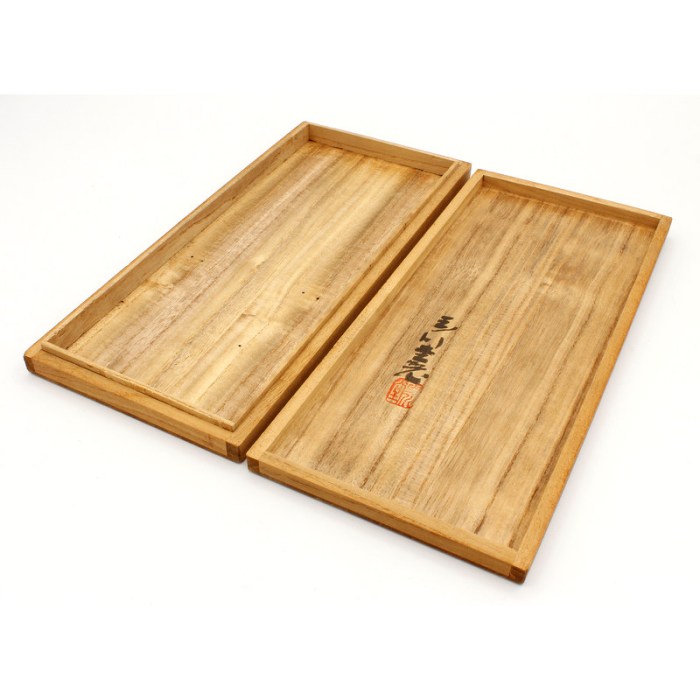
Japanese decorative trays, imbued with centuries of artistry and cultural significance, are finding renewed relevance in contemporary settings. Their aesthetic appeal and functional versatility transcend stylistic boundaries, adapting seamlessly into modern homes and lifestyles. Designers and artisans are embracing these traditional forms, infusing them with contemporary aesthetics and techniques. This evolution reflects a growing appreciation for handcrafted objects and the enduring allure of Japanese design principles.Contemporary applications of these trays extend far beyond their traditional roles.
Their adaptability allows for a wide range of uses, making them a versatile addition to any space.
Contemporary Uses
Japanese decorative trays are increasingly used as decorative accents, not just for serving food or drinks. They can be strategically placed to add a touch of elegance and sophistication to a coffee table, a console table, or even a bathroom vanity. Their unique designs and exquisite craftsmanship create focal points, complementing modern interior design trends. Traditionally used in tea ceremonies and for arranging seasonal flowers, their versatility extends to displaying small sculptures, books, and plants, adding depth and visual interest to a space.
Design Trends
Contemporary designs often blend traditional motifs with modern aesthetics. Artists are incorporating geometric patterns and minimalist designs, creating trays that are both visually striking and subtly elegant. Experimentation with unconventional materials, like lacquered metals or polished ceramics, offers a fresh perspective while maintaining the core values of craftsmanship. A notable trend involves incorporating recycled or reclaimed materials into the construction process, aligning with the growing eco-conscious design movement.
Material Innovations
Beyond traditional materials like wood and lacquer, modern artisans are experimenting with metal alloys, such as brushed stainless steel or copper, creating a contemporary edge. This shift allows for a wider range of color palettes and textures, expanding the design possibilities for contemporary trays. These new materials add an element of sophistication and modernity while preserving the time-honored tradition of craftsmanship.
Adaptability for Modern Lifestyles
The adaptability of Japanese decorative trays aligns seamlessly with modern lifestyles. Their compact size and functional design make them easily incorporated into small apartments and urban homes. They can serve as a practical solution for organizing items, keeping surfaces clutter-free, and enhancing the visual appeal of a space. Traditionally used for delicate tea sets, contemporary applications demonstrate their ability to serve a wider range of practical purposes.
Contemporary Applications Table
| Application | Description | Visual Impact |
|---|---|---|
| Decorative Accent | Used to enhance the aesthetic appeal of a room. | Adds a touch of elegance and sophistication. |
| Serving Tray | Used for presenting food or drinks. | Enhances the visual presentation of meals. |
| Display Platform | Used to showcase small objects, such as sculptures or plants. | Creates a focal point and adds visual interest. |
| Storage Solution | Used to organize items and keep surfaces clutter-free. | Maintains a clean and organized aesthetic. |
Maintenance and Care
Japanese metal trays, treasured for their aesthetic beauty and craftsmanship, require careful upkeep to preserve their intricate details and longevity. Proper cleaning and maintenance techniques are crucial to prevent damage and maintain the tray’s original luster. Understanding the specific materials and construction methods employed in their creation is essential for implementing appropriate care procedures.Preservation of a Japanese metal tray’s finish and prevention of damage are paramount to its continued enjoyment.
Ignoring these aspects can lead to discoloration, scratches, or warping, diminishing the tray’s aesthetic value and potentially compromising its structural integrity. This section provides a comprehensive guide for maintaining these delicate works of art.
Cleaning Methods
Proper cleaning methods are essential to maintain the beauty and integrity of Japanese metal trays. Employing the wrong technique can lead to damage, affecting the finish and the overall aesthetic appeal. The optimal approach depends on the specific metal type and the extent of soiling.
- Gentle Detergents and Water: For everyday cleaning, use a soft cloth or sponge dampened with a mild detergent and lukewarm water. Avoid harsh chemicals, abrasive cleaners, or scouring pads, as these can scratch the surface and dull the finish. Carefully rinse the tray with clean water and dry thoroughly with a soft, lint-free cloth.
- Specialized Cleaners for Specific Metals: Some metals, such as brass or bronze, may require specialized cleaning solutions. Consult with a professional restorer or a reputable source for appropriate cleaning products tailored to the metal type. Using the wrong cleaner can cause irreparable damage.
- Avoiding Water Damage: Prolonged exposure to water, particularly standing water, can lead to corrosion and damage. Ensure the tray is thoroughly dried after each cleaning to prevent water stains and rust.
Preventing Damage
Protecting Japanese metal trays from damage is vital to preserving their aesthetic appeal and longevity. Careful handling and storage are crucial to prevent scratches, dents, or warping.
- Handling with Care: Avoid dropping or placing heavy objects on the tray. Always use both hands to support the tray when lifting or moving it, ensuring a stable grip to prevent slipping.
- Storage Considerations: Store the tray in a dry, dust-free environment. Avoid direct sunlight or excessive heat, as these can cause discoloration or warping. Place the tray on a cushioned surface or use a protective lining to prevent scratches or dents during storage.
- Protective Padding: Use padding or protective coverings when transporting or storing the tray to prevent damage from impact or friction. Soft materials such as felt, velvet, or cotton can effectively cushion the tray.
Addressing Common Issues
Addressing common issues with metal trays promptly can prevent further damage and maintain their aesthetic appeal. Ignoring these issues can lead to deterioration over time.
- Rust Prevention: Inspect the tray regularly for signs of rust. Promptly address any rust spots with specialized rust removers, following the manufacturer’s instructions. Preventing rust is more efficient than treating existing rust.
- Scratches and Dents: Minor scratches can often be buffed out with a fine-grit polishing compound. For deeper scratches or dents, consult a professional restorer to evaluate the damage and determine the best repair method.
- Discoloration: Some discoloration can be removed using gentle cleaning solutions. However, significant discoloration may require professional restoration to restore the original finish.
Step-by-Step Cleaning Guide
A methodical approach to cleaning and maintaining metal trays ensures optimal results. A step-by-step guide helps in achieving the desired level of cleanliness and preservation.
- Assessment: Inspect the tray for any existing damage, dirt, or discoloration.
- Preparation: Gather necessary materials, including a soft cloth, mild detergent, and lukewarm water. Prepare a designated, clean workspace.
- Gentle Cleaning: Apply a small amount of detergent to the cloth and gently wipe the tray’s surface. Avoid harsh scrubbing motions that can scratch the metal.
- Rinsing: Rinse the tray thoroughly with clean water to remove any remaining detergent residue.
- Drying: Dry the tray completely with a soft, lint-free cloth to prevent water spots or stains.
- Inspection: Examine the tray for any remaining issues and repeat the cleaning process as necessary.
Collection and Appreciation
Japanese decorative metal trays, with their intricate artistry and cultural significance, are increasingly sought after by collectors. Their beauty extends beyond mere practicality, often reflecting the aesthetic sensibilities and craftsmanship of specific periods and schools of design. Understanding the nuances of authenticity, valuation, and quality is crucial for both novice and seasoned collectors to appreciate these exquisite objects.Appreciating Japanese decorative metal trays goes beyond surface-level aesthetics.
It requires a nuanced understanding of historical context, artistic styles, and material qualities. A deep dive into these elements is key to recognizing authentic pieces and understanding their intrinsic value, ultimately fostering a richer appreciation for the craft.
Identifying Authentic Trays
Authenticity is paramount in collecting. Expert knowledge of the various periods, schools, and craftsmanship techniques is essential. Examining the metal’s composition, particularly the alloy and its patina, is vital. A knowledgeable eye can spot inconsistencies in the metal’s composition, often indicating a modern reproduction. Detailed examination of the design motifs, particularly the intricate patterns and motifs, can also reveal subtle differences in style and execution between authentic and counterfeit pieces.
Further investigation into the provenance (history of ownership) of the tray is critical, as it often provides valuable insight into its authenticity and historical context.
Factors Contributing to Value
The value of a Japanese decorative metal tray hinges on a confluence of factors. Rarity is a significant driver, with trays from scarce periods or featuring exceptionally rare motifs commanding higher prices. The craftsmanship, as judged by the skill and precision in the execution of the design, significantly impacts value. The tray’s overall condition, including the absence of significant damage or restoration, is a crucial factor.
Provenance, if well-documented and reputable, can significantly enhance the tray’s desirability and value. Trays that belong to famous collections or have a documented history of ownership by renowned figures in Japanese art history or society can increase in value.
Evaluating Quality and Condition
Thorough evaluation of the tray’s quality and condition is crucial for collectors. Inspect the metal’s surface for any signs of damage, such as dents, scratches, or repairs. Examine the design for any imperfections, such as unevenly applied patterns or missing details. Assess the patina, which can provide clues about the age and materials used. Note any signs of restoration or repair; these details are essential to understand the piece’s history.
A reputable expert’s assessment can provide a professional evaluation of the tray’s quality and condition. Documentation of the evaluation should be preserved.
Resources for Further Research
| Category | Resource | Description |
|---|---|---|
| Museums and Galleries | Tokyo National Museum, Metropolitan Museum of Art, The Cleveland Museum of Art | These institutions house extensive collections of Japanese art, including decorative metal trays, offering opportunities for in-depth study. |
| Scholarly Journals | Artibus Asiae, Monumenta Nipponica | These journals provide articles on Japanese art and culture, including discussions on decorative metal trays. |
| Auction Houses | Sotheby’s, Christie’s | Auction records provide insights into market trends and the pricing of similar trays. |
| Online Databases | Artstor, Google Scholar | These resources offer access to digitized images and scholarly articles related to Japanese art and metalwork. |
| Expert Consultations | Japanese art specialists, auction house appraisers | Seek guidance from experts in Japanese art and metalwork for authenticating, evaluating, and understanding trays. |
Comparison with Similar Art Forms
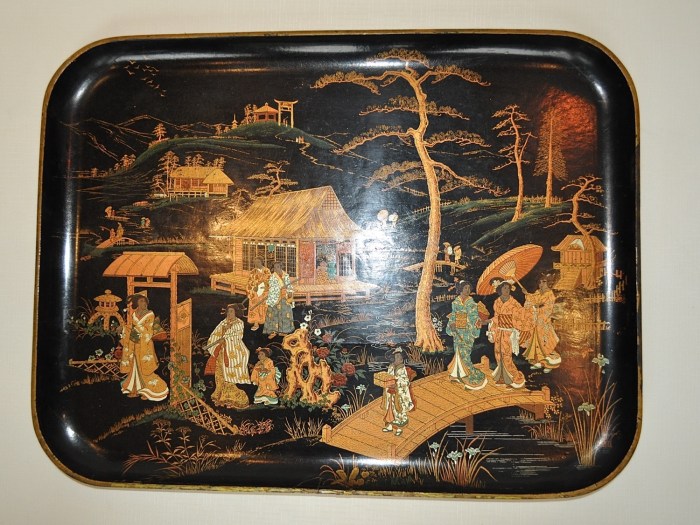
Japanese metal trays, with their intricate designs and meticulous craftsmanship, stand as a distinct art form within a broader spectrum of decorative arts. Their unique aesthetic and construction techniques differentiate them from other popular Japanese decorative forms like lacquerware and ceramics. Understanding these nuances highlights the special position of metal trays in the cultural landscape.
Distinguishing Characteristics of Metal Trays
Japanese metal trays possess a unique blend of artistry and practicality. Their construction often employs techniques like hammering, repoussé, and incising, creating a textural richness that sets them apart. The choice of metal, often brass, copper, or bronze, further contributes to the visual appeal, reflecting light and shadow in a manner distinct from the matte finishes frequently found in lacquerware.
This interplay of technique and material contributes to a visual language uniquely their own.
Comparison with Lacquerware
Lacquerware, renowned for its vibrant colors and glossy surfaces, offers a stark contrast to the often more muted tones and textured surfaces of metal trays. While both art forms often feature intricate designs, the methods of creating these designs differ significantly. Lacquerware relies heavily on layering and polishing of lacquer, creating a smooth, often glossy finish. Metal trays, in contrast, utilize hammering and other metalworking techniques to achieve their sculpted shapes and surface details.
Comparison with Ceramics
Japanese ceramics, prized for their subtle glaze colors and the unique characteristics of the clay, provide a further point of comparison. Ceramic trays often feature painted designs or subtle variations in glaze tones. Metal trays, on the other hand, can be decorated with hammered patterns, relief work, or inlaid designs, showcasing a different aesthetic approach. The inherent malleability of metal allows for a range of techniques not typically seen in ceramics.
A Comparative Analysis
| Characteristic | Japanese Metal Trays | Lacquerware | Ceramics |
|---|---|---|---|
| Material | Metal (brass, copper, bronze) | Lacquer | Clay |
| Techniques | Hammering, repoussé, incising, soldering | Layering, polishing, painting | Glazing, shaping, carving |
| Aesthetics | Textured, often muted tones, highlighting metal’s properties | Vibrant colors, glossy surfaces | Subtle glaze colors, emphasizing clay’s natural properties |
| Function | Serving, decorative display | Serving, decorative display, sometimes ritualistic | Serving, decorative display, sometimes ritualistic |
Possible Uses and Displays
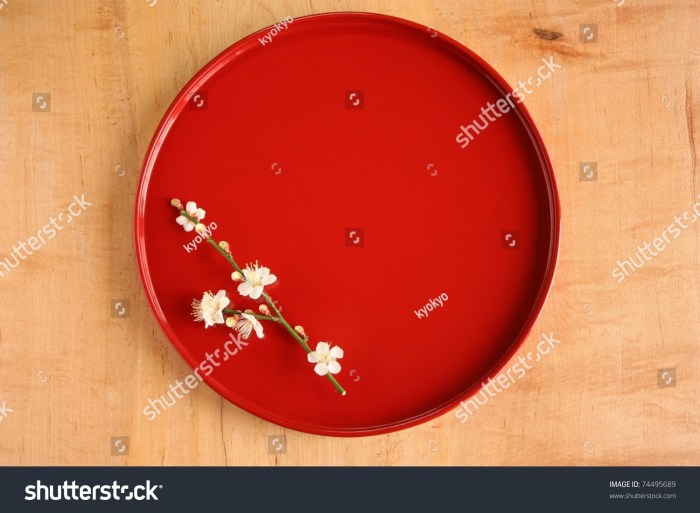
Japanese decorative metal trays, with their intricate artistry and cultural significance, transcend mere utility. Their aesthetic appeal extends beyond the dining table, making them versatile decorative pieces that can elevate any space. These trays, from delicate inlays to bold sculptural forms, can seamlessly integrate into a variety of interior design styles, adding a touch of refined elegance.Integrating these trays into a room’s design hinges on understanding their cultural context and design elements.
Careful consideration of the tray’s size, pattern, and material allows for a harmonious blend with existing décor. Strategic placement and thoughtful arrangement can transform a space, highlighting the tray’s unique qualities and adding depth to the overall aesthetic.
Suitable Settings for Display
Japanese metal trays are not confined to the confines of a dining room. Their refined beauty can be showcased in various settings, each highlighting a different facet of their aesthetic. A living room, for instance, can be graced with a meticulously crafted tray, perhaps holding a small collection of meticulously arranged books or sculptural objects. A bedroom, on the other hand, might feature a smaller, more delicate tray atop a nightstand, holding treasured trinkets or a delicate perfume bottle.
These examples demonstrate the adaptability of these trays to different spaces and functions.
Incorporating Trays into Interior Design Styles
The versatility of Japanese metal trays extends across diverse interior design styles. A minimalist space can benefit from a tray showcasing a single, striking piece of art. A traditional Japanese room might find a tray with a subtle floral motif complementing the space’s existing aesthetic. A contemporary setting could incorporate a geometrically patterned tray to add a touch of modern sophistication.
Display Arrangement Examples
Different display arrangements can highlight the trays’ artistry and charm. A single tray, placed centrally on a coffee table, can serve as a focal point. Multiple trays, arranged in a graduated size or color scheme, can create a dynamic display on a shelf. The arrangement of objects on the tray itself is crucial, with considerations for balance, proportion, and visual harmony.
Various Display Ideas and Suggestions
| Display Idea | Tray Type | Setting | Objects | Arrangement |
|---|---|---|---|---|
| Focal Point | Large, ornate tray | Coffee table, mantelpiece | Single sculpture, decorative vase | Centered on surface |
| Layered Look | Multiple trays of varying sizes | Shelves, windowsill | Books, decorative bowls, small sculptures | Graduated size, color, or pattern |
| Accent Display | Small, intricate tray | Nightstand, vanity | Jewelry, perfumes, trinkets | Balanced arrangement of objects |
| Zen Garden Style | Small, minimalist tray | Meditation corner, desk | Small stones, miniature plants | Creating a miniature landscape |
Illustrative Examples
Japanese decorative metal trays showcase a captivating blend of artistry, craftsmanship, and cultural significance. These trays, spanning centuries, offer a glimpse into the evolving aesthetic sensibilities and historical contexts of Japan. From intricate patterns to precious metals, each piece narrates a unique story.These examples demonstrate the diverse forms and techniques employed in crafting Japanese decorative metal trays. Each piece, whether a simple, elegant design or a complex, ornate masterpiece, reflects the cultural values and artistic innovations of its era.
The descriptions below delve into specific examples, highlighting the materials, design, and historical context of each.
Inro Trays
Inro trays, often small and exquisitely detailed, represent a distinct style within Japanese decorative metal trays. These trays were historically used as containers for inro, small, personal containers used to carry writing implements, medicines, and other small items.
- Inro trays frequently feature intricate designs and motifs, such as landscapes, animals, or figures. The motifs often reflect the social and artistic trends of the period in which they were created.
- Materials commonly employed include bronze, silver, and gold, showcasing the high level of craftsmanship involved. These trays are typically adorned with exquisite lacquer work or enamel inlay, enhancing their aesthetic appeal.
- The historical significance of inro trays lies in their representation of a specific social custom and artistic tradition. These trays served as status symbols, showcasing the owner’s wealth and taste.
Suminagashi Trays
Suminagashi, a traditional Japanese dyeing technique, can also be incorporated into metal trays. This process involves swirling ink on water, creating unique and flowing patterns.
- These trays often display a sense of fluidity and dynamism, capturing the essence of the natural world. The patterns produced by the technique are highly individual and aesthetically pleasing, each piece offering a unique visual experience.
- The materials used in these trays vary depending on the desired effect and aesthetic. Metal trays, such as those made of copper or brass, can be particularly well-suited to the interplay of light and shadow created by the Suminagashi patterns.
- The historical context of these trays lies in the rich artistic heritage of Japan, showcasing the artistic tradition of incorporating natural elements into decorative objects. The use of this unique dyeing technique reflects the appreciation of spontaneity and natural beauty.
Shoin Trays
Shoin trays, typically used for tea ceremonies or other formal gatherings, reflect the refined aesthetic of Japanese tea ceremonies.
- These trays often feature simple, elegant designs, often incorporating minimalist aesthetics and harmonious lines. The designs are often uncluttered and focus on balance and elegance.
- The materials frequently used include brass, copper, and sometimes even silver. The materials chosen are carefully considered to complement the overall aesthetic and create a sense of understated elegance.
- The historical significance of Shoin trays lies in their association with the refined aesthetics of the Japanese tea ceremony. These trays are designed to evoke a sense of tranquility and serenity, reflecting the deep cultural significance of the ceremony.
End of Discussion
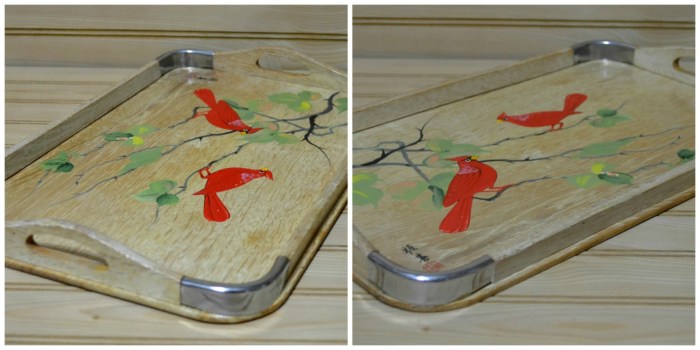
In conclusion, Japanese decorative trays, far from being mere objects, are profound expressions of Japanese artistry and cultural heritage. Their beauty lies in the fusion of traditional techniques, symbolic motifs, and enduring cultural values. These trays offer a glimpse into a rich history, continuing to inspire and captivate collectors and art enthusiasts alike.
